
How Inflation Is Shaping the Financial Landscape of the U.S.
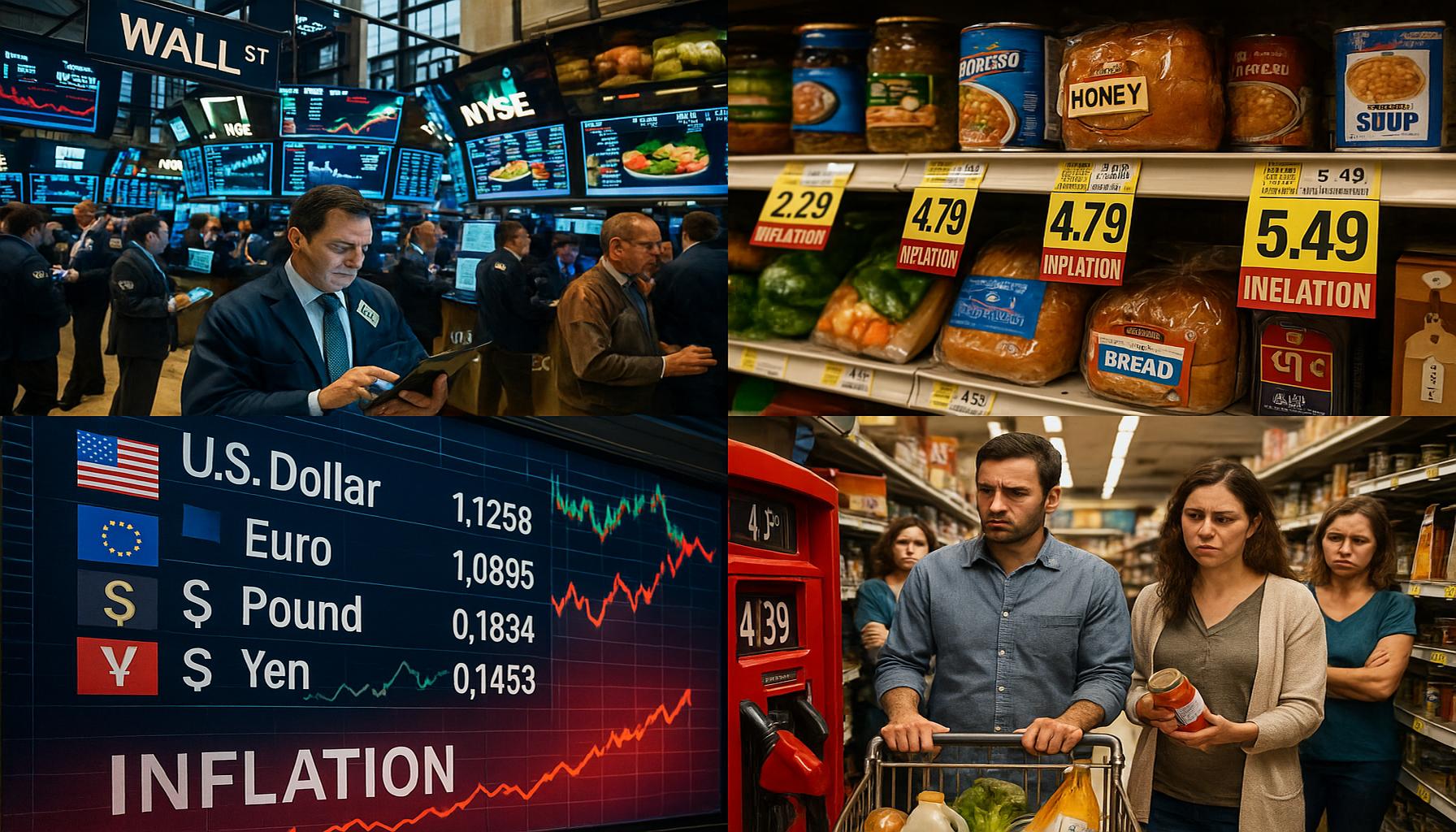
Understanding Inflation’s Impact
Inflation can significantly affect both households and businesses across the United States. As prices climb rapidly for goods and services, financial stability becomes increasingly elusive for many. Therefore, it’s vital to comprehend the nuances of inflation and its effects on everyday lives.
Key Areas of Impact
Several crucial elements of personal finance are influenced by inflation:
- Purchasing Power: Inflation reduces the value of the dollar, meaning consumers can buy less with the same amount of money. For instance, if the cost of groceries rises by 5%, the same $100 buys significantly fewer items. This can lead to tough choices, such as reducing spending on non-essentials or switching to cheaper alternatives.
- Interest Rates: To manage inflation, the Federal Reserve often raises interest rates. This decision impacts interest-bearing accounts and borrowing costs, making loans and mortgages more expensive. For example, a rise in mortgage rates could increase monthly payments on a new home purchase, thereby affecting affordability.
- Investment Strategies: Inflation influences which investment options yield returns. Typically, assets such as real estate and commodities can provide some protection during inflationary periods as their values can rise with prices. For example, owning rental properties can become a hedge as rents increase alongside inflation.
Proactive Steps to Navigate Inflation
Taking early action is key to managing financial pressure during inflationary periods. Here are some effective strategies:
- Budget Reviews: Regularly review your budget to adapt to price changes. This allows you to identify areas where you can cut back if necessary. Consider utilizing budgeting apps to track spending and update your plans accordingly.
- Debt Management: Prioritize paying off variable-rate debts, such as credit cards or adjustable-rate mortgages, especially before rates climb further. Developing a targeted repayment plan can save you money on interest payments in the long run.
- Diversified Investments: Evaluate your investment portfolio for inflation resilience. Broaden your holdings to include real estate, inflation-protected securities, and commodities. This diversification can help protect your investments and maintain value amid rising prices.
In conclusion, understanding inflation’s multifaceted impact on financial decisions is essential for staying ahead. By assessing your budget, managing debt wisely, and diversifying investments, you can position yourself well during economic fluctuations. Taking these proactive steps today can help secure your financial future in the face of ongoing inflationary pressures.
DISCOVER MORE: Click here to learn how to build your credit from scratch
Adapting to Rising Costs
In light of ongoing inflation, it’s crucial for individuals and families to adapt their financial strategies to maintain stability and ensure their economic well-being. The increased cost of living is a direct result of inflation, which affects various facets of daily life, from housing and food to transportation and healthcare. Understanding how to navigate these changes effectively will help mitigate the financial strain on household budgets.
Monthly Expenses Examination
The first step in managing inflation’s impact is to conduct a comprehensive review of your monthly expenses. Begin by identifying your fixed and variable costs:
- Fixed Expenses: These costs are relatively stable and include rent or mortgage payments, insurance premiums, and loan payments. Although these costs might not fluctuate significantly in the short term, it’s worthwhile to seek competitive rates or even renegotiate loan terms with lenders. For instance, refinancing a mortgage can potentially lower your monthly payment, which is beneficial in an high-interest-rate environment.
- Variable Expenses: This category encompasses groceries, utilities, transportation, and entertainment. Since these costs are more susceptible to inflationary pressures, closely tracking them is essential. For instance, if you notice that your grocery bill has dramatically increased, consider shopping at discount grocery stores or utilizing meal planning to reduce food costs without compromising nutrition.
By conducting a thorough examination of your expenses, you will gain insights into your financial commitments and can adjust your budget accordingly. Consider utilizing an expense tracking app to enhance visibility and identify spending patterns that may require adjustment. Many popular options, such as Mint or YNAB (You Need a Budget), can give you a clearer picture of your spending habits and help you find areas for improvement.
Smart Shopping Practices
As prices increase, adopting smart shopping practices becomes essential. Here are some practical tips to maximize your purchasing power:
- Compare Prices: Use price comparison websites and apps to ensure you are getting the best deals, whether shopping for groceries, household items, or electronics. For instance, websites like Google Shopping or apps like Flipp can help you find the lowest prices available in your area. Additionally, buying essentials in bulk can result in significant savings, particularly for non-perishable items.
- Shop Seasonally: Purchasing seasonal produce not only supports local agriculture but can also lead to cost savings. Seasonal fruits and vegetables are typically at their peak supply and lower in price compared to out-of-season options. For example, buying strawberries in the summer is cheaper than buying them in winter when they need to be imported.
- Take Advantage of Discounts: Always look for coupons, loyalty programs, and seasonal sales. Many retailers frequently run promotions that can help offset rising costs. Websites like Honey or Rakuten offer cashback deals that can provide further savings when shopping online.
Incorporating these strategies into your shopping routine can help mitigate the impact of inflation on your day-to-day spending. As inflation continues to shape the financial landscape of the U.S., being proactive and informed will empower you to make smarter choices and safeguard your finances. Staying disciplined in these areas not only secures your current financial situation but also prepares you for potential future challenges.
DIVE DEEPER INTO: Click here to discover the economic impact of healthcare access
Strategizing Savings and Investments
With inflation leading to increased living costs, it becomes essential to reassess not just spending habits but also savings and investment strategies. Inflation erodes purchasing power, making it critical to ensure that savings grow at a rate that outpaces inflation. Here are some strategies to maintain and grow your financial assets in an inflationary environment.
Emergency Fund Adjustments
An emergency fund is vital for financial security, particularly during periods of inflation. However, as expenses rise, the amount you need to cover unexpected costs may also increase. Here’s how to manage your emergency fund:
- Increase Savings Goals: Aim to save three to six months’ worth of expenses. With rising costs, revisit this goal and adjust accordingly to maintain an adequate financial buffer.
- High-Interest Accounts: To maximize growth, consider placing your emergency fund in high-yield savings accounts or money market accounts that offer better interest rates than traditional savings accounts. These options allow your funds to grow more substantially while remaining accessible.
Investment Reallocation
Amidst inflation, evaluating your investment portfolio is critical to maintaining growth. Here are actionable steps to consider:
- Diversify Assets: Spread your investments across various sectors and asset classes to mitigate risk. Assets such as commodities (which often appreciate during inflation) and real estate can provide a hedge against inflation.
- Inflation-Protected Securities: Consider investing in Treasury Inflation-Protected Securities (TIPS), which automatically adjust their value based on inflation rates, ensuring that your investment retains its purchasing power over time.
Debt Management
High-interest debt can become particularly burdensome during inflationary times. Proactive debt management helps mitigate financial strain:
- Pay Down Variable Rate Debt: Focus on reducing balances on credit cards and loans with variable interest rates. These rates may rise as inflation leads to higher overall interest rates.
- Consider Fixed Rate Options: If debt is unavoidable, consider consolidating loans to a fixed interest rate. This can provide predictability in your monthly payments, protecting you from future rate hikes.
Revisiting Retirement Contributions
It’s essential to ensure that retirement savings keep pace with inflation to maintain financial security in your later years. Take the following steps to adapt your retirement strategy:
- Increase Contributions: If your budget allows, consider increasing contributions to your 401(k) or IRA. Set a specific percentage increase each year to help counteract inflation’s impact on your retirement savings.
- Maximize Employer Match: If your employer offers matching contributions, ensure you are taking full advantage of this benefit. This is essentially free money that can significantly boost your retirement funds.
Through action and strategic planning, individuals can adapt their financial approaches to thrive in an inflationary environment. By focusing on savings growth, investment diversification, effective debt management, and enhanced retirement contributions, you can create a more resilient financial future.
DISCOVER MORE: Click here for insights on startup evolution and investment tips
Adapting to Inflation
Inflation can have far-reaching effects on personal finances, and it is essential to react strategically to mitigate its impacts. To start, carefully revisit your budget to account for increased costs in everyday items such as groceries, gas, and utilities. Track your spending for a month to identify areas where you can cut back. For example, consider preparing meals at home rather than dining out, which can save considerable amounts over time.
In addition, assess your emergency fund. Aim for a buffer that can cover at least 3-6 months of living expenses, as unpredictable economic conditions can lead to sudden financial strain. If your current fund falls short, prioritize allocating additional savings each month until you reach your target.
Diversifying Investments
Investing during inflationary times requires a keen approach. Diversifying your investment portfolio is vital; consider incorporating inflation-hedged assets such as real estate or commodities like gold. Exchange-Traded Funds (ETFs) that focus on these assets can be a practical option for those looking to ease into diversification without heavy commitment.
Moreover, examine your existing investments and determine whether they will hold their value during inflation. If you have stocks in sectors sensitive to inflation—such as utilities or consumer staples—monitor their performance closely and adjust as necessary.
Debt Management
Another critical strategy is implementing proactive debt management. Focus on paying down high-interest debts like credit cards that can quickly accumulate excessive interest. Consider consolidating debts to secure a lower interest rate or exploring fixed-rate loans, which can provide stability amid rising rates.
Retirement Contributions
Finally, don’t overlook your retirement planning. Ensure that your retirement contributions are sufficient, especially in light of changing costs of living. Review your savings goals regularly, and maximize employer 401(k) matches as these are essentially “free money.” If possible, increase your contributions annually or whenever you receive a raise.
Overall, by adopting these practical steps—tightening your budget, managing debt wisely, diversifying investments, and bolstering your retirement contributions—you can effectively navigate the complexities posed by inflation. This proactive approach not only helps withstand current financial pressures but also places you in a position to seize opportunities for future growth.

Beatriz
Beatriz Johnson is an experienced financial analyst and author with a passion for simplifying the complexities of economics and finance. With over a decade of experience in the sector, she specializes in areas such as personal finance, investment strategies, and global economic trends. Through her work, Beatriz empowers readers to make informed financial decisions and stay ahead in the ever-changing economic environment.