
Student Loans: Navigating the Finances of Higher Education
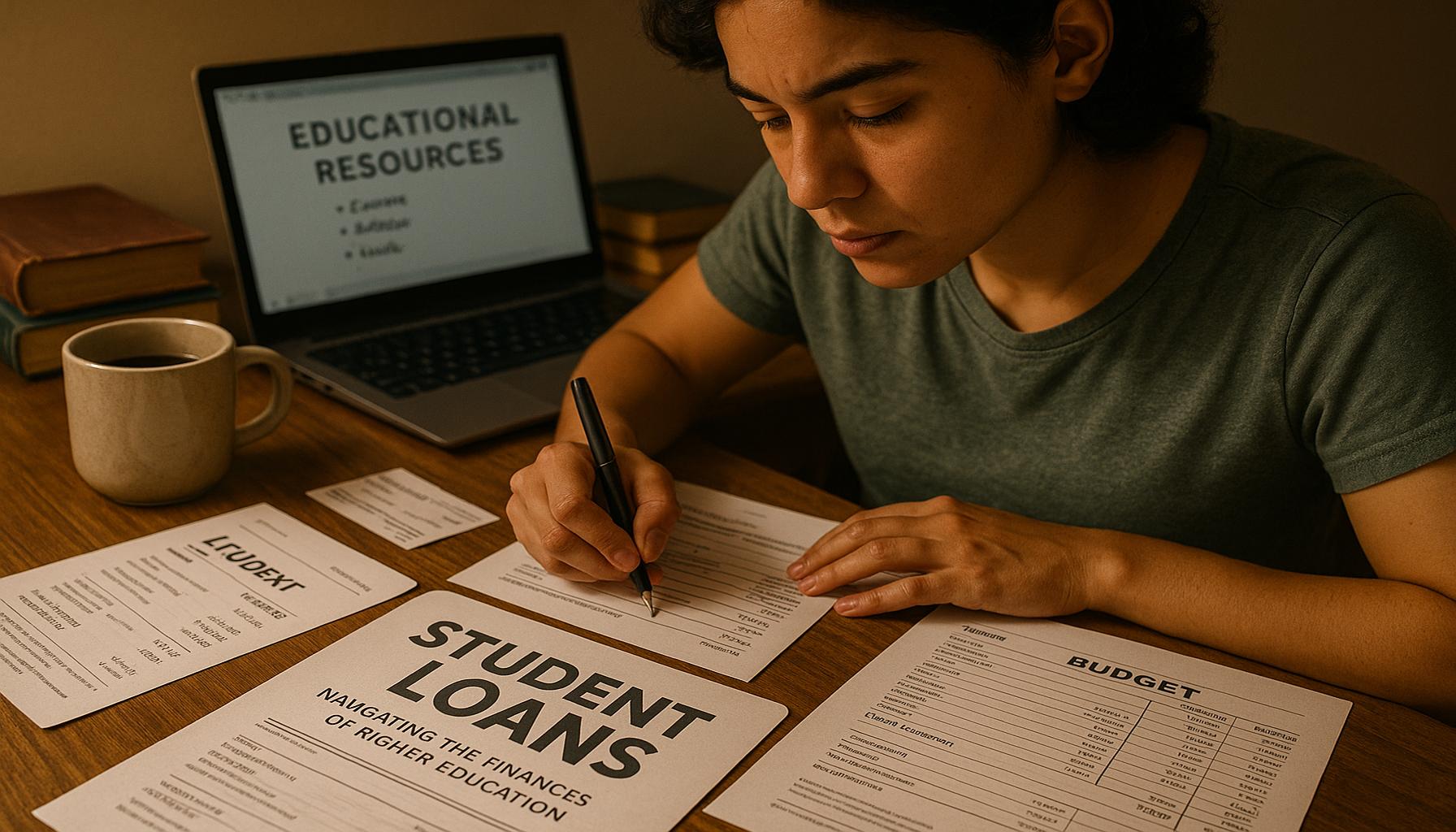
Understanding Student Loans: A Practical Guide
Managing educational finances effectively requires a solid understanding of student loans. With the continuous rise in college costs, a significant number of students find themselves dependent on loans to finance their education. Therefore, gaining knowledge about the different types of loans, interest rates, and repayment options is crucial for making informed decisions.
Types of Loans
- Federal Loans: These are government-backed loans, which generally offer lower interest rates and more flexible repayment options. Examples include Direct Subsidized Loans, Direct Unsubsidized Loans, and PLUS Loans for parents and graduate students.
- Private Loans: Offered by banks and credit unions, private loans can vary in terms and conditions and usually require a credit check. These loans are often used to cover remaining costs after federal loans, but they typically lack the same borrower protections.
Understanding Interest Rates
- Fixed Rates: These rates remain constant throughout the life of the loan, allowing borrowers to predict their payments accurately.
- Variable Rates: In contrast, variable rates fluctuate based on the market, which can potentially lead to lower initial payments but unpredictable costs in the long term.
Repayment Options
- Standard Repayment Plan: Involves fixed payments over 10 years, suitable for those who can afford higher payments.
- Income-Driven Repayment Plans: Adjust monthly payments based on income and family size, making them a good option for those with fluctuating earnings.
- Forgiveness Programs: Such as Public Service Loan Forgiveness, which forgives remaining debt after qualifying payments and years of service in eligible employment.
Assessing Your Financial Situation
Before choosing your loans, evaluate your financial situation closely. Start by asking yourself:
- How much will I need? Itemize all expenses, including tuition, textbooks, and living costs to create an accurate budget.
- What can I afford? Determine your savings and estimate any income you might earn while studying, such as part-time jobs or internships.
- What are my borrowing limits? Be aware of the maximum amounts you can safely borrow based on your projected income post-graduation, to avoid excessive debt.
Finding the Right Loan
Finding an appropriate loan requires diligence. Pay particular attention to:
- Loan Terms: Scrutinize the terms and conditions, ensuring you understand all requirements.
- Fees: Investigate any origination fees or penalties for early repayment, as these can significantly affect the total loan cost.
- Customer Service: Opt for lenders known for robust customer support, which can assist you throughout the life of your loan.
By being informed and proactive, you can navigate the complexities of student loans successfully. Take the time to research and compare different options, enabling you to minimize your financial burden and work towards a stable financial future.
DIVE DEEPER: Click here to find out more
Making Informed Choices About Student Loans
Navigating through the world of student loans can be challenging, but understanding key components can lead to more informed financial decisions. It is essential to equip yourself with knowledge about loans before signing any agreements. Here are practical steps to simplify this process:
Start with Research
- Compare Loan Options: Investigate various federal and private loan options. Federal loans, such as Direct Subsidized and Unsubsidized Loans, generally offer lower interest rates and more flexible repayment options compared to private loans. Websites like studentaid.gov provide detailed information on federal loans, while comparing terms on bank websites can help you understand the nuances of private lenders, including interest rates, terms, and fees.
- Understand Loan Limits: Familiarize yourself with annual borrowing limits under federal guidelines. For example, undergraduate students can borrow up to $5,500 for their first year. This information will guide your financial planning and help in avoiding excessive debt, ensuring you do not borrow more than you actually need to cover educational costs.
Calculate Total Costs
Before deciding on loans, it’s critical to understand the total cost of attendance, which includes:
- Tuition and Fees: Check with your school for the current academic year’s rates. For instance, in-state tuition may differ significantly from out-of-state rates, impacting your overall expenses.
- Housing and Living Expenses: Estimate costs based on where you will live; urban areas typically have higher rent. Remember to factor in utilities, groceries, and transportation, as these can quickly accumulate.
- Books and Supplies: Account for textbooks, which can be costly, especially if you are enrolled in science or engineering courses. Explore options like used books or digital editions to save money.
Once you have a clear understanding of your financial requirements, you can better assess how much you actually need to borrow, thereby avoiding unnecessary debt.
Create a Budget
Developing a budget is crucial to maintaining financial health during your education. Follow these steps:
- List Income Sources: Include potential earnings from part-time jobs, scholarships, and grants in your budget. Use this information to create a realistic view of your income.
- Identify Necessary Expenses: Prioritize essential expenses, including housing, food, and communication, and allocate funds appropriately to avoid shortfalls.
- Establish a Savings Plan: Aim to save a portion of your income for unforeseen expenses or emergencies, which can provide financial security and peace of mind.
With a clear budget in place, you can minimize reliance on loans, ultimately reducing your overall debt by graduation.
Understand Loan Repayment Terms
Grasping the intricacies of loan repayment can save you money in the long run. Investigate the following:
- Grace Periods: Most federal loans offer a grace period of six months post-graduation before payments begin. Understand how long this lasts, as it provides a buffer to establish your financial footing.
- Interest Accrual: Know whether your interest accumulates while you are in school, especially for unsubsidized loans, where interest is charged immediately. Understanding this will help you plan for the total payment you’ll owe when it’s time to start repayments.
- Prepayment Penalties: Check if your loan charges penalties for early repayment—avoiding this can empower you to pay off your debt quicker and save on interest without incurring extra costs.
By focusing on these essential aspects, you can navigate the complexities of student loans with greater confidence and clarity. Taking proactive steps now will benefit your financial future significantly, enabling you to pursue your educational goals without undue financial stress.
DISCOVER MORE: Click here to learn effective strategies
Strategies for Managing and Reducing Student Loan Debt
After understanding how to borrow responsibly, it’s crucial to consider strategies to manage and potentially reduce student loan debt. Proactive financial management can make a significant difference when repayment begins.
Stay Organized
From applying for loans to managing payments, organization is key:
- Keep Records: Maintain a comprehensive file of all loan documents, including loan amounts, interest rates, and repayment deadlines. Tracking this information helps ensure you never miss a payment, which can lead to penalties and increased debt.
- Use Financial Apps: Consider using budgeting apps or tools tailored for student finances. Many apps allow users to input loan details and alert you of upcoming payments, ensuring you remain on track with your financial obligations.
Explore Loan Forgiveness Options
Depending on your career path, you may qualify for various loan forgiveness programs. Investigate the following:
- Income-Driven Repayment Plans: Programs such as Pay As You Earn (PAYE) or Revised Pay As You Earn (REPAYE) adjust your monthly payments based on your income, potentially leading to forgiveness after a set number of payments, generally 20 or 25 years.
- Public Service Loan Forgiveness (PSLF): If you work in a qualifying public service job, you may be eligible for loan forgiveness after making 120 qualifying payments. This program can significantly reduce the amount you repay over time.
Consider Refinancing Wisely
Refinancing can be an effective way to manage student loans, but it requires careful consideration:
- Assess Your Current Situation: Before refinancing, evaluate your credit score and financial standing. A better credit score can unlock lower interest rates, saving you money over the life of your loans.
- Research Lenders Thoroughly: Not all lenders will offer favorable refinancing terms. Compare interest rates, fees, and borrower protections, ensuring you choose a reputable lender that suits your financial needs.
Utilize Additional Resources
Make the most of available resources to enhance your financial literacy and management:
- Financial Aid Offices: Take advantage of your school’s financial aid office. They offer resources and guidance tailored to help you understand your student loans better, including repayment options and budgeting advice.
- Financial Literacy Workshops: Participate in workshops centered on financial literacy. Many universities and community organizations offer free workshops that teach essential skills such as budgeting, investment basics, and debt management.
Stay Informed About Legislative Changes
Keep up with changes to federal and state student loan policies, as they can impact your repayment strategy:
- Follow Relevant News: Changes may occur regarding interest rates, forgiveness programs, or federal loan policies. Stay informed by following trusted news sources and government websites related to student loans.
- Engage in Advocacy: Joining student organizations that advocate for better financial policies can provide insights and updates on legislative matters affecting student loans. This network may also offer additional resources or support systems.
Effectively managing student loans through organization, research on forgiveness options, and utilizing available resources can lead to greater financial stability. These strategies emphasize proactive management, helping ensure a smoother transition into life after college.
DIVE DEEPER: Click here to learn more
Conclusion
Navigating the complexities of student loans is an essential part of financing your higher education. Understanding the different types of loans, knowing how to borrow responsibly, and implementing effective management strategies can set you on a path to financial success. Start by keeping meticulous records of your loans and considering the utilization of financial apps for budgeting and payment reminders. Additionally, explore loan forgiveness options available to you, particularly if your career aligns with public service or qualifies for income-driven repayment plans.
Refinancing can also provide significant savings if you are careful and do your research. Assess your financial situation thoroughly before proceeding, and compare lenders to find the best terms. Furthermore, leveraging resources such as your school’s financial aid office and participating in financial literacy workshops can improve your understanding and management of educational debts.
Lastly, stay informed about legislative changes affecting student loans, as alterations in policies can directly influence your repayment plans. By adopting a proactive approach and utilizing the available resources, you can effectively manage your student loan debt, paving the way for a more secure financial future after graduation. By actively engaging in your financial education, you are taking the first steps towards a healthier financial outlook.

Beatriz
Beatriz Johnson is an experienced financial analyst and author with a passion for simplifying the complexities of economics and finance. With over a decade of experience in the sector, she specializes in areas such as personal finance, investment strategies, and global economic trends. Through her work, Beatriz empowers readers to make informed financial decisions and stay ahead in the ever-changing economic environment.