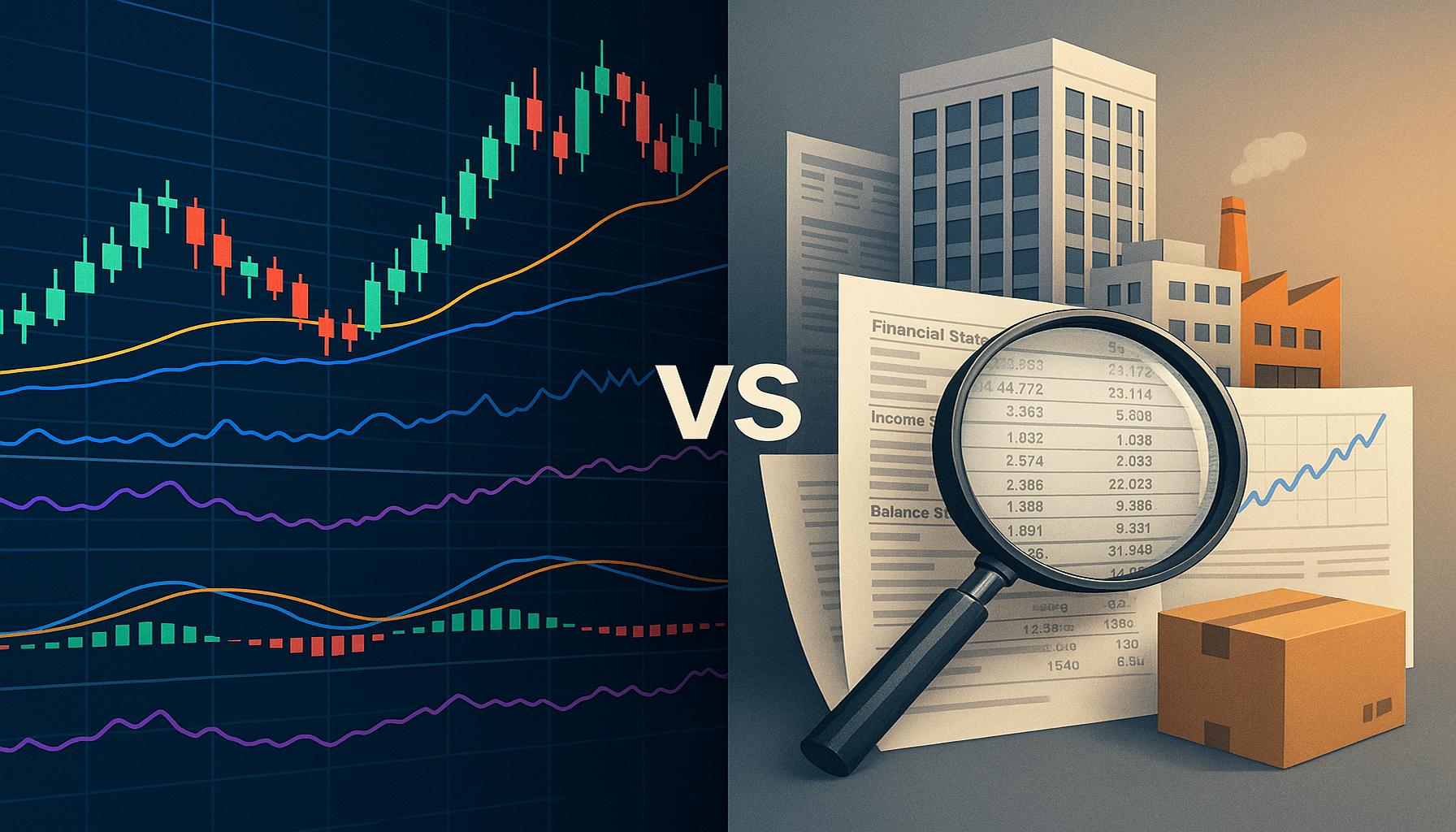
How Economic Crises Affect the Stock Market
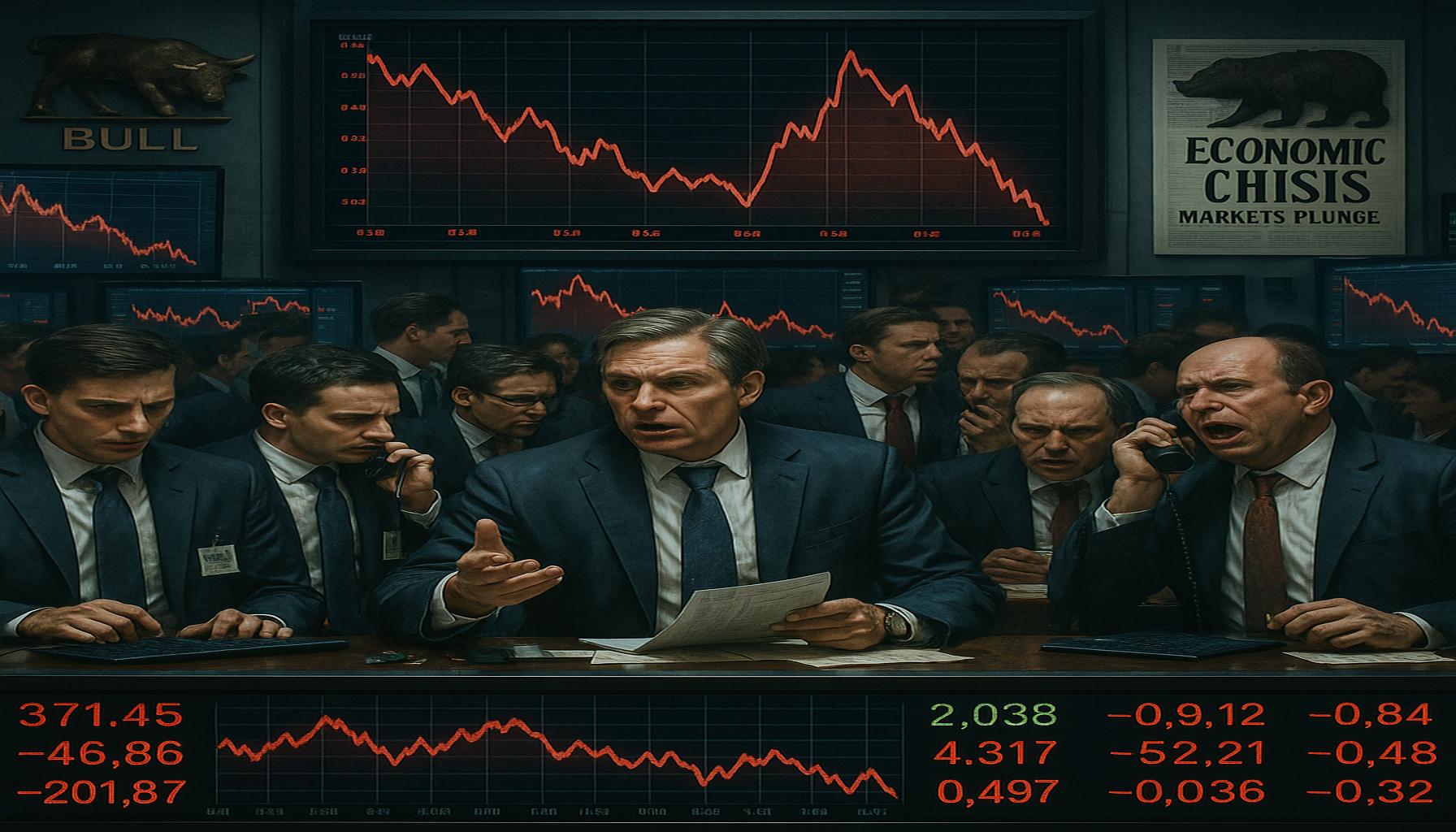
Understanding the Impact of Economic Crises on the Stock Market
Economic crises can create a ripple effect across the stock market, influencing investor behavior and market stability. It is crucial to grasp how these crises manifest and the immediate consequences they bring. During times of economic distress, the overall landscape of investing shifts dramatically, resulting in specific patterns that can benefit informed investors.
Key factors that typically influence the stock market during economic downturns include:
- Investor Sentiment: Crises often lead to panic selling as confidence plummets. For instance, during the 2008 financial crisis, fear drove many investors to sell off stocks in a rush, exacerbating the downturn. Understanding market sentiment can help in predicting potential sell-offs.
- Increased Volatility: Stocks may see wild price swings as uncertainty prevails. In volatile markets, prices can change drastically in short periods, signaling to investors when it might be prudent to enter or exit positions. Familiarizing oneself with volatility indices can be valuable for monitoring this behavior.
- Interest Rates: Central banks may lower rates to encourage borrowing and investment. For example, in response to the COVID-19 pandemic, the Federal Reserve slashed interest rates to near-zero levels, aiming to stimulate the economy. Knowing how these shifts affect stock valuations can guide strategic investment decisions.
Historical examples highlight these trends:
- The 2008 Financial Crisis: A collapse in housing prices led to a severe stock market downturn, with the S&P 500 losing over 50% of its value from its peak in 2007. This event illustrates how interconnected sectors can impact overall market performance.
- The Dot-com Bubble Burst: Speculative investments resulted in significant losses for many tech stocks from 2000 to 2002, with companies like Enron and Pets.com becoming emblematic of overvaluation. Lessons from these failures inform current tech investments.
- The COVID-19 Pandemic: Global uncertainty caused massive sell-offs in March 2020 but was followed by rapid recovery attempts, demonstrating the market’s inherent resilience. Monitoring recovery trends can provide insights for future investment timing.
Understanding these dynamics is vital for investors aiming to navigate tumultuous markets effectively. Here are some practical steps to consider:
- Stay informed about market news and economic indicators that can signal an approaching crisis. Utilize financial news outlets and economic reports to make informed decisions.
- Analyze investor sentiment through tools like the Fear and Greed Index to gauge market conditions. This can guide strategies for buying low during periods of fear.
- Consider diversifying your investment portfolio to reduce exposure to high-risk sectors, thereby mitigating potential losses during downturns.
- Engage in dollar-cost averaging by investing fixed amounts over time. This strategy can help smooth out the effects of volatility.
By recognizing patterns and responding proactively, individuals can mitigate losses and identify potential opportunities in times of crisis. Remaining vigilant and adaptable in investment strategies is key to navigating through economic turmoil effectively.
DISCOVER MORE: Click here to learn how to apply
The Mechanisms of Market Response During Economic Crises
Economic crises lead to significant repercussions in the stock market, largely due to the psychological and behavioral responses of investors. Understanding these mechanisms can empower investors to make informed decisions even in the most challenging times. Key responses to economic crises include:
- Panic Selling: In times of economic instability, fear can trigger mass sell-offs as investors race to salvage their investments. This sudden rush to liquidate positions is often driven by the belief that stock prices will continue to plummet, creating a downward spiral in market activity. Recognizing early warning signs, such as sudden drops in stock prices or negative news cycles, is critical.
- Market Overreactions: Economic crises frequently produce market overreactions, leading to stock prices that may not reflect a company’s true long-term value. These exaggerated responses can create opportunities for savvy investors to buy undervalued stocks. It is essential to conduct thorough fundamental analysis to differentiate between temporary downturns and lasting challenges.
- Sector-Specific Impact: Different sectors react variably during crises based on their sensitivity to economic fluctuations. For instance, consumer discretionary stocks may suffer while essential goods sectors remain relatively stable. Identifying which sectors are more resilient can guide investment decisions during downturn periods.
- Increased Demand for Bonds: In times of uncertainty, many investors shift their portfolios towards safer assets, such as government bonds. This migration can drive bond prices up and yields down, favoring fixed income investments while stock markets may face downward pressure. Monitoring bond market trends can offer insights into shifting investor priorities.
To navigate the stock market during economic disruptions, investors can consider the following strategies:
- Stay Calm and Avoid Impulse Decisions: Knee-jerk reactions can lead to substantial losses. Implementing a calm, measured approach will allow for more informed decision-making.
- Reassess Your Investment Strategy: Review your portfolio and align your investments with your risk tolerance and the broader economic outlook. If necessary, reallocating funds to more stable investments can help manage exposure.
- Focus on Cash Flow: Keep an eye on companies with strong cash flow metrics, as they are better positioned to weather economic storms. Investing in firms with sustainable business models can provide stability in volatile markets.
- Educate Yourself Continuously: Take advantage of educational resources available online, such as webinars or financial news platforms, to stay informed about market developments and emerging trends that could impact your investments.
By being proactive and informed, investors can better navigate the complexities of the stock market during economic crises, turning potential challenges into opportunities for growth and strategic advantage.
DISCOVER MORE: Click here to learn how technology can revolutionize your business
Investor Behavior and Market Dynamics During Crises
Understanding investor behavior during economic crises is crucial for anyone looking to navigate the stock market effectively. Various factors come into play, influencing decision-making and leading to market dynamics that can be beneficial or detrimental. Here are some additional aspects to consider:
- Loss Aversion: Research shows that investors tend to fear losses more than they value gains, which can amplify during an economic crisis. This psychological bias can lead to excessive caution, prompting investors to avoid taking risks altogether. Being aware of loss aversion can help you to evaluate your risk tolerance better and consider opportunities that might otherwise be overlooked.
- Herd Behavior: During times of uncertainty, many investors follow the actions of others, creating a herd mentality. This can lead to exaggerated price movements, either up or down. To counteract this behavior, always conduct independent research before making investment decisions, keeping an eye out for opportunities that diverge from prevailing trends.
- Media Influence: Financial media coverage can significantly impact investor sentiment. During a crisis, sensational reports can exacerbate panic selling among investors. Be cautious of relying solely on news outlets for guidance. Instead, consider consulting financial analysts or using technical indicators to inform your decisions.
- Government Intervention: Economic crises often elicit policy responses from governments, such as stimulus packages or interest rate cuts. These measures can stabilize financial markets and create investment opportunities. Pay close attention to policy changes and analyze how they could affect different sectors to capitalize on emerging trends.
In addition to understanding investor behavior, here are practical steps to enhance your investment strategy during economic turmoil:
- Diversify Your Portfolio: Spread your investments across various asset classes to reduce risk. Consider allocating funds to defensive sectors, such as utilities or health care, which tend to perform better during downturns.
- Utilize Limit Orders: To avoid panic selling at unfavorable prices, consider placing limit orders. A limit sell order will allow you to specify a price at which you are willing to sell your shares, ensuring that you don’t incur unnecessary losses during a sudden market downturn.
- Adapt to Volatility: Economic crises often lead to increased market volatility. Be prepared to adjust your strategies accordingly. This may involve employing hedging techniques or options trading to protect your investments against rapid market changes.
- Seek Professional Advice: Consulting with a financial advisor can provide tailored insights based on your specific situation. Advisors can help with portfolio management, risk assessment, and strategic planning to ensure you remain focused on your long-term goals.
In summary, recognizing factors like investor psychology, market dynamics, and policy responses during economic crises is key to effective stock market navigation. By applying practical investment strategies and remaining informed, you can seek to minimize risks while potentially capitalizing on market opportunities.
LEARN MORE: Click here for expert tips
Conclusion
It is clear that economic crises exert significant influence over the stock market, shaping both investor behavior and overall market dynamics. To effectively navigate these turbulent waters, it’s important to familiarize yourself with psychological factors such as loss aversion—where investors fear losses more than they crave gains—and herd behavior, which prompts individuals to follow the actions of the majority, often leading to irrational market reactions. By recognizing these tendencies, you can make well-informed decisions rather than succumbing to panic.
Another crucial aspect is understanding the impact of media narratives and government interventions on market sentiment. For instance, a sensational news report about a looming recession can trigger widespread panic selling, while governmental measures, such as stimulus packages, can restore confidence and fuel market recovery. Keeping a close watch on these factors will enable you to gauge the market climate more accurately, allowing for smarter investment choices.
Practical Strategies for Navigating the Stock Market
To successfully navigate the stock market during these challenging times, consider incorporating the following actionable strategies:
- Diversify your portfolio to reduce risk. Invest across various asset classes, such as stocks, bonds, and commodities, to safeguard your investments from a single sector’s downturn.
- Focus on resilient sectors. During crises, sectors like healthcare and consumer staples often outperform. Consider allocating a portion of your investment to these areas.
- Use limit orders when buying or selling stocks. This tool can help you set predetermined prices, minimizing potential losses during sharp market declines.
- Implement hedging strategies. Utilize options or inverse ETFs to protect your investments against sudden market swings.
Lastly, consider seeking professional advice from a financial advisor. They can provide tailored insights based on your specific financial situation, helping you make informed decisions. By adopting a proactive and adaptable approach, you can seize opportunities that arise from market fluctuations while effectively managing your exposure to risk. Ultimately, a calculated strategy enhances your potential for success in the unpredictable landscape of the stock market during economic crises.

Beatriz
Beatriz Johnson is an experienced financial analyst and author with a passion for simplifying the complexities of economics and finance. With over a decade of experience in the sector, she specializes in areas such as personal finance, investment strategies, and global economic trends. Through her work, Beatriz empowers readers to make informed financial decisions and stay ahead in the ever-changing economic environment.