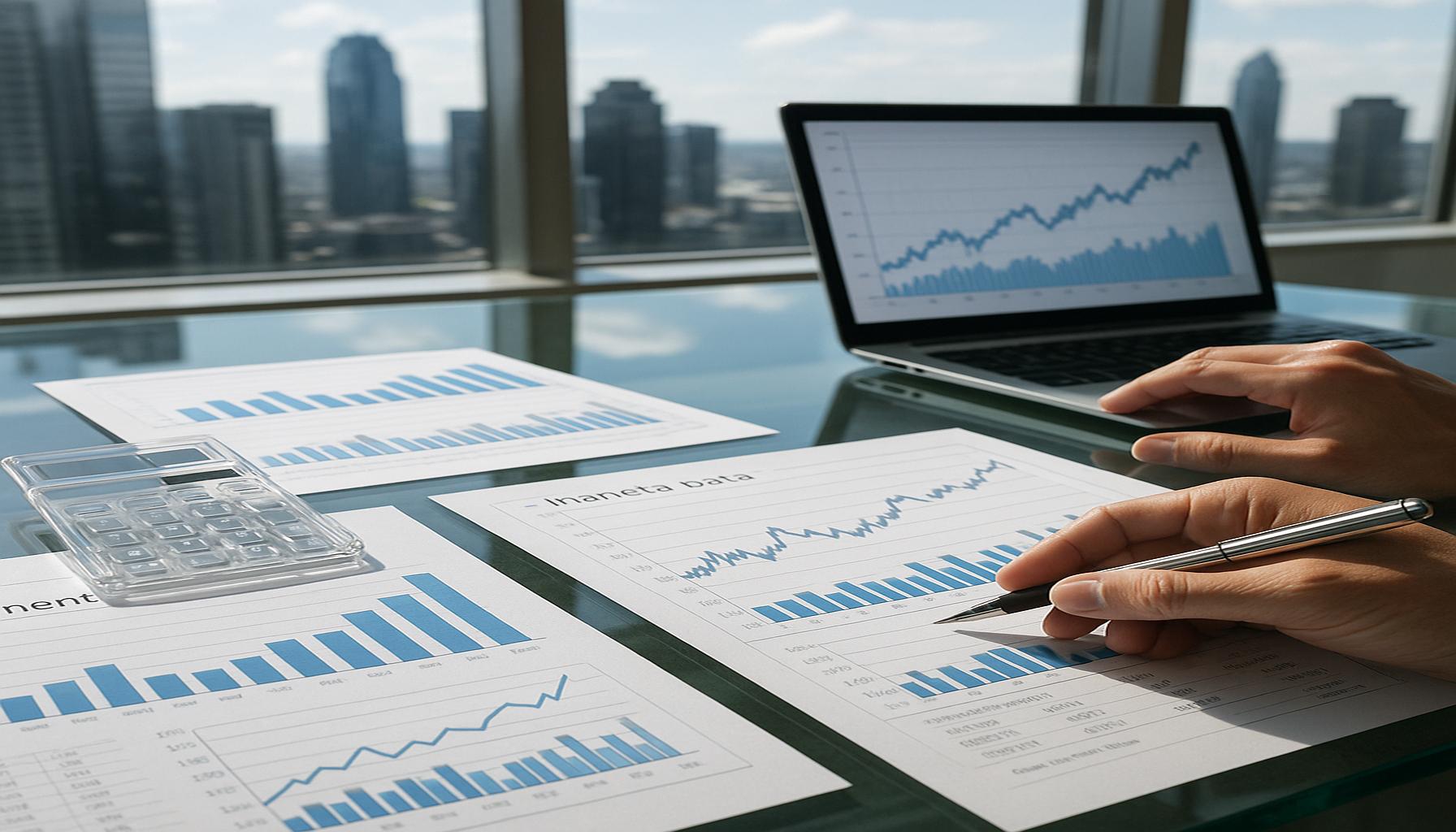
The Effect of Economic News on Consumer Confidence
The Impact of Economic News on Your Financial Landscape
Every day, economic news floods our lives, shaping the landscape of our financial decisions. This information can trigger fluctuations in our emotions, beliefs, and spending habits. As consumers, we must recognize the profound impact of economic news on our confidence and actions. Each piece of data, from employment statistics to inflation rates, whispers stories that influence our choices and outlook on the future.
Consider these vital factors that highlight the significance of economic news:
- Employment Reports: The monthly unemployment rate released by the Bureau of Labor Statistics serves as a telltale sign of economic health. Strong job growth often boosts consumer optimism by reassuring individuals that job security is rising. For instance, when the job market is thriving, even those who are cautious about spending may find themselves releasing their grip on their wallets, making purchases on homes, cars, or even going out to dine.
- Interest Rates: The Federal Reserve’s decisions on interest rates can have far-reaching effects on consumer sentiment. Lower rates can inspire more borrowing and spending. For example, when mortgage rates dip, potential homebuyers may rush to secure loans, leading to increased home sales. This surge in housing activity not only supports the real estate market but also fosters a sense of financial confidence among consumers.
- Inflation Data: Rising prices may cause consumers to tighten their budgets. When inflation rates soar, individuals might feel the pressure as expenses, such as groceries and gas, elevate sharply. This concern can lead consumers to reduce discretionary spending, curbing their desire to engage in luxuries or non-essential purchases.
These indicators serve as a mirror reflecting the state of our economy. When we understand their implications, we empower ourselves to navigate the financial landscape with clarity. Knowledge is key in fostering a sense of stability as we make informed decisions for our future.
In a world where information is available at our fingertips, it is essential to cultivate a mindset that embraces consciousness and responsibility. Regularly consuming economic news can enhance our understanding of market trends and help us anticipate shifts in the economy. For example, if consumer confidence reports are high, it can spark an environment of increased spending, which in turn supports business growth and innovation.
Let’s delve into how we can leverage economic news to boost our confidence and make better financial choices. By staying informed and interpreting economic indicators, we can take proactive steps toward financial well-being. An informed consumer is a confident consumer. As you navigate your financial journey, remember that each piece of economic news can serve as a stepping stone toward a more secure and prosperous future.
DISCOVER MORE: Click here to learn about the evolving landscape of remote work
Navigating Economic Sentiment: Why It Matters
Understanding the nuances of economic news goes beyond mere numbers; it encapsulates the feelings and sentiments that govern our day-to-day financial decisions. The relationship between economic news and consumer confidence is complex yet essential to grasp, particularly as we navigate a rapidly changing marketplace. When we connect the dots between economic indicators and consumer sentiment, we gain valuable insights into how best to manage our financial futures.
Economic news shapes our perceptions, providing a backdrop against which we make significant life choices. Here are some crucial aspects of how economic updates influence consumer confidence:
- Consumer Confidence Index (CCI): This vital measurement provides insights into how optimistic or pessimistic consumers are regarding their financial situation and the economy at large. When the CCI increases, it often indicates that individuals feel secure enough to spend, driving demand across various sectors. A rising CCI can lead to increased retail sales, benefiting local businesses and contributing to economic growth.
- Retail Sales Data: Monthly reports on retail sales act as a pulse check on consumer spending habits. An increase in retail sales suggests that consumers are comfortable opening their wallets, fostering an encouraging atmosphere for businesses and leading to potential job creation. Conversely, a decline in retail sales may signify rising uncertainty, prompting consumers to tighten their budgets and defer purchases.
- Stock Market Performance: The stock market often serves as a barometer for economic health. Significant market gains can enhance consumer confidence, leading individuals to believe they can afford larger purchases or investments. In contrast, a volatile market may induce anxiety, discouraging people from spending and thus weakening overall economic performance.
- Global Economic Events: The interconnectedness of the global economy means that events occurring in distant regions can have a direct impact on consumer confidence at home. For instance, trade agreements or geopolitical tensions can affect prices and availability of goods, causing consumers to pivot their spending habits based on perceived economic stability or instability.
By paying attention to these indicators, consumers can decode the underlying sentiments that drive our economy. Knowledge is not just power; it is a transformative force that empowers us to take charge of our financial decisions. In times of uncertainty, being aware of economic shifts can lead to measured responses rather than impulsive reactions, paving the way for smarter financial choices.
As we move through the fluctuations of economic news, it is crucial to remain conscious and proactive. Maintaining an informed perspective can help build resilience and confidence, ensuring that we are prepared to make decisions that align with our financial goals. A strong grasp of the factors at play can turn uncertainty into opportunity, allowing each individual to navigate the evolving economic landscape with grace and wisdom.
LEARN MORE: Click here to discover the difference
Understanding the Ripple Effect: Confidence in Action
The impact of economic news on consumer confidence is not just about statistics; it manifests tangibly in the choices we make every day. When economic indicators shift, the repercussions ripple through communities, affecting spending habits, investment preferences, and even personal saving strategies. A close look at this dynamic reveals just how intertwined our emotional responses to economic news are with our everyday behaviors.
Media Influence: The media plays a pivotal role in shaping consumer perceptions. Headlines showcasing positive economic news—such as job growth or wage increases—can create a buoyant atmosphere, fostering confidence among consumers. For example, if a news report highlights a significant decrease in unemployment rates, individuals may feel emboldened to make larger purchases, such as buying a home or a new car. On the flip side, negative news, like reports of rising inflation or layoffs, can send consumers into a tailspin, leading to caution and a desire to save rather than spend. Thus, it is essential for consumers to critically assess the news they consume, understanding that sensational reporting can create a disproportionate reaction to economic realities.
Interest Rates and Economic Outlook: Changes in interest rates, typically dictated by central banks such as the Federal Reserve, can greatly affect consumer borrowing. Lower interest rates generally encourage spending by making loans more accessible and affordable. For instance, when the Fed cuts rates, mortgage applications tend to rise, signaling that consumers are willing to invest in long-term assets. In contrast, hikes in interest rates often coincide with economic downturns, prompting consumers to hold back on spending as they perceive economic uncertainty looming. This cycle reiterates the importance of staying informed about monetary policy as a means to align personal financial decisions with broader economic trends.
Consumer Behavior Research: Numerous studies underscore the psychological interplay between economic news and consumer behavior. Research has revealed that consumers’ expectations about the economy often lag behind actual economic indicators. This phenomenon suggests that while significant economic news can lead to immediate confidence shifts, it might take time for those sentiments to shape long-term purchasing behavior. For instance, a consumer might remain cautious even after positive news, reflecting an ingrained attitude of skepticism that can stifle growth. Understanding this mindset can empower consumers to challenge their own biases and consider taking informed risks based on current economic conditions.
Local Economic Factors: Economic conditions can also vary widely by region, showing that local factors heavily influence consumer confidence. A community benefiting from thriving businesses may respond differently to economic news than one struggling with declining industries. Therefore, local economic events, such as the opening of a new factory or the closure of a major employer, can significantly swing consumer sentiment. Engaging with local economic developments can provide a clearer picture of how global or national economic news affects specific communities, encouraging individuals to invest in their local economies.
As we navigate through these fluctuating economic landscapes, it is vital to realize that we, as consumers, hold the power to shape our realities. Staying informed and understanding the underlying currents of economic news allows for a more nuanced approach to our financial decisions. Empowerment through knowledge not only facilitates smarter choices but also inspires active engagement with our fiscal futures, leading to a robust and confident consumer base that can weather any economic storm.
DISCOVER MORE: Click here to dive deeper
Embracing Informed Consumerism
In conclusion, the connection between economic news and consumer confidence is profound and multifaceted. As we have explored, the psychological impact of economic indicators shapes our behavior and influences decision-making on both personal and community levels. Positive news can lift spirits and encourage spending, while negative reports can stifle confidence and prompt caution. This underscores the need for consumers to critically evaluate the news they encounter, recognizing that narrative framing can significantly alter perception.
The reality is that knowledge is power. By understanding how economic news can affect our choices, we become better equipped to navigate financial landscapes with intention. Recognizing local factors and staying informed about national developments allows us to make more informed decisions that benefit not only ourselves but our communities as well.
As consumers, we can choose to engage with our economic environments proactively. By adopting a mindful approach to our spending and savings behaviors, we can use economic data as a guide while also challenging any ingrained hesitations that may hinder growth. Embracing an informed perspective encourages individuals to seize opportunities, fostering a resilient consumer base that can thrive even amidst uncertainty.
Ultimately, our economic futures lie in our hands. Let’s harness the insights from economic news to build a confident and prosperous tomorrow—together.

Linda Carter
Linda Carter is an author and financial expert specializing in personal finance and financial planning. With extensive experience helping people achieve financial stability and make informed decisions, Linda shares her knowledge on the Avitrini platform. Her goal is to provide readers with practical advice and strategies for financial success.