
The influence of drone technology on product and service delivery
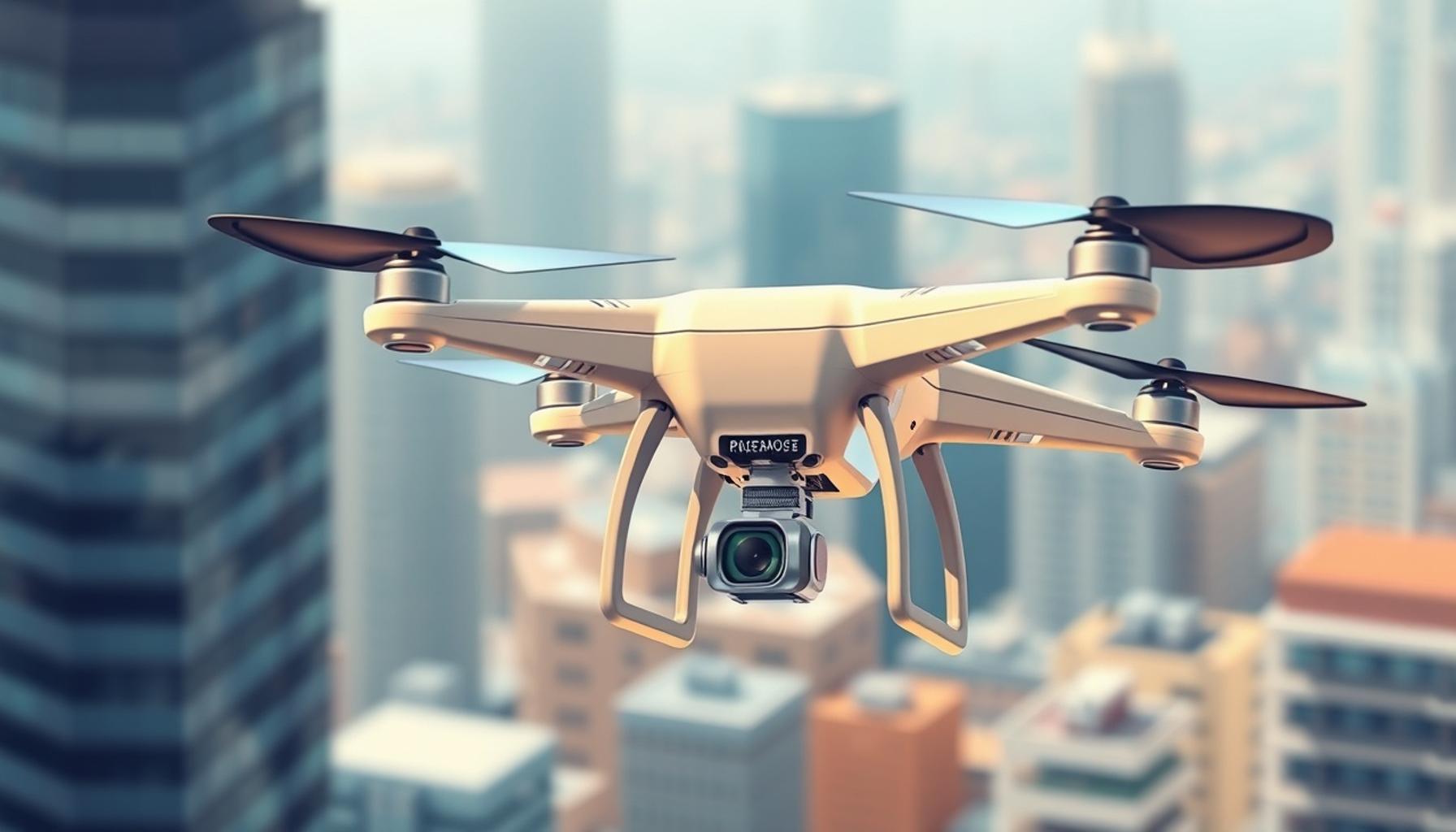
The Transformative Power of Drone Technology
In recent years, the rise of drone technology has transformed various industries in unprecedented ways. With their ability to navigate challenging terrains and deliver goods quickly, drones have emerged as a vital tool for businesses seeking efficiency and innovation. This technological advancement has sparked significant changes that are felt across logistics, agriculture, emergency services, and more.
Speedy Deliveries
Companies like Amazon are pioneering drone delivery services, promising packages at your doorstep in record time. For instance, Amazon Prime Air aims to deliver packages to customers within 30 minutes of placing an order. This service not only accelerates the shopping experience but also reshapes customer expectations about delivery times. Imagine ordering a last-minute gift and having it arrive almost instantly—that’s the reality that drones are beginning to create.
Reduced Costs
Businesses utilize drones to minimize transportation costs, ultimately lowering prices for consumers. By bypassing traditional delivery methods that often involve trucks and extensive manpower, companies can reduce fuel expenses and labor costs. FedEx, for example, has tested drone deliveries in urban areas, allowing them to make multiple deliveries in a shorter time frame and at a fraction of the usual cost, which could lead to significant savings for consumers in the long run.
Accessibility
Drones can reach remote and underserved locations, providing essential products and services where traditional logistics fall short. This is especially crucial in rural areas or during emergencies when roads may be impassable. For instance, UPS has deployed drones to deliver medical supplies to isolated communities, ensuring that critical health resources are available regardless of geographical barriers.
Beyond Delivery: Versatility of Drones
The versatility of drones extends well beyond delivery. They are also utilized in:
- Emergency Services: Drones assist in disaster relief by quickly delivering medical supplies or food to affected areas. During the Hurricane Harvey crisis in Texas, drones were instrumental in assessing damage and providing immediate aid to those stranded.
- Agriculture: Farmers benefit from aerial survey capabilities, improving crop management and yield predictions. Drones equipped with cameras can analyze crop health, allowing for precise applications of water and fertilizers, which enhances productivity while minimizing waste.
- Surveying and Mapping: Industries like construction employ drones for accurate land assessments and progress tracking. Drones can create highly detailed topographic maps, enabling builders to better plan their projects and monitor construction progress in real-time.
The Future of Drone Integration
As drone technology continues to evolve, the potential for enhancing product and service delivery seems boundless. The integration of artificial intelligence and improved battery life promises even greater advancements in efficiency and functionality. This article will explore these advancements, their implications, and how drones may soon become an integral part of everyday business operations.
In conclusion, the implications of drone technology represent not just a shift in logistics but also a broader potential to improve lives and businesses. With ongoing innovations, it is clear that drones will play a crucial role in shaping the future of multiple sectors across the United States and beyond.
DIVE DEEPER: Click here to learn more
Enhancing Logistics and Supply Chain Efficiency
The impact of drone technology on product and service delivery can be particularly observed in the logistics and supply chain sectors. Drones have the ability to streamline operations, allowing companies to optimize their processes, reduce delivery times, and enhance overall customer satisfaction. This is reshaping not only how goods are transported but also how businesses think about inventory management.
Real-Time Tracking and Inventory Management
One of the significant advantages of using drones in logistics is the capability of real-time tracking. When companies deploy drones to manage deliveries, they often implement sophisticated tracking systems that allow customers to see exactly where their package is at any given moment. This transparency builds trust and enhances the customer experience. For example, a large retailer may use drones not only for delivery but also to monitor inventory levels at various locations. This function can help avoid stockouts and ensure that popular products are always available.
Improved Urban Mobility
In urban environments, traffic congestion poses a major challenge to timely deliveries. Drones can bypass congested roadways, providing a direct flight path to the delivery destination. Cities such as Los Angeles and New York are exploring regulations to allow drone deliveries, prioritizing flights at lower altitudes to avoid interference with conventional aircraft. With the ability to deliver packages directly from distribution centers to consumers or businesses quickly, drones can greatly improve the efficiency of last-mile logistics.
Environmental Benefits
In addition to improving speed and reducing costs, drone technology also offers environmental benefits. Drones are generally more energy-efficient than traditional delivery vehicles, which often rely on fossil fuels. Electric drones, in particular, have the potential to significantly reduce carbon emissions per delivery. Companies like Wing, a subsidiary of Alphabet Inc., are focused on developing electric drones that produce little to no emissions, presenting an appealing solution for eco-conscious consumers and businesses alike. This shift can contribute to a company’s sustainability goals and public image as environmentally friendly.
Challenges and Considerations
Despite the many advantages, the adoption of drone technology for delivery also brings challenges that companies must navigate. These challenges include:
- Regulatory Hurdles: The Federal Aviation Administration (FAA) has established guidelines for drone operation in the United States. Companies must comply with these regulations, which can be complex and vary by region.
- Safety Concerns: As drone delivery increases, so do concerns regarding accidents and collisions. Ensuring the safe integration of drones into existing airspace systems is a priority for both companies and regulators.
- Public Acceptance: Gaining consumer trust in drone deliveries will be crucial. Addressing privacy concerns and making the technology accessible to all demographics is essential for widespread acceptance.
As drone technology continues to develop and mature, these challenges will need to be addressed to fully realize its potential in transforming product and service delivery.
DISCOVER MORE: Click here to learn about the vital role of small businesses
Transforming Emergency Services and Healthcare Delivery
Another significant area where drone technology is making a profound impact is in emergency services and healthcare delivery. The ability to deliver medical supplies, equipment, and critical medications quickly can be life-saving, particularly in situations where time is of the essence.
Rapid Medical Supply Deliveries
Drones are being utilized to transport essential medical supplies and medications to remote and underserved areas. For example, partnerships between companies such as Zipline and health ministries around the world have enabled drones to deliver blood, vaccines, and other medical supplies to hard-to-reach regions. In Rwanda, Zipline has successfully reduced the time it takes to receive a blood transfusion from several hours to just 30 minutes. This rapid delivery capability is especially crucial during emergencies such as natural disasters or disease outbreaks when immediate access to medical care is vital.
Increased Lifesaving Potential
In addition to delivering supplies, drones can also support emergency healthcare responses. For instance, drones equipped with thermal imaging cameras can assist first responders by providing real-time surveillance of disaster-stricken areas, helping them locate individuals in need of rescue. This application was seen during the aftermath of hurricanes in Florida, where drones facilitated the search for survivors amidst destruction. This technology significantly enhances the ability of emergency services to respond effectively, potentially saving lives in critical circumstances.
Telemedicine and Remote Consultations
Furthermore, drone technology can facilitate telemedicine services by delivering diagnostic devices or samples to healthcare facilities. Patients in remote areas can receive consultations from specialists located far away, with drones transporting lab results to ensure timely diagnoses. For example, in rural parts of the United States, healthcare providers are starting to use drones to send samples for testing to urban laboratories, effectively bridging the geographical gap between patients and quality medical care. This integration of drone technology in telemedicine can vastly improve healthcare accessibility and outcomes for populations traditionally underserved.
Regulatory and Operational Considerations for Healthcare Delivery
Despite the promising applications of drones in healthcare, there are regulatory and operational challenges that need to be addressed. Key considerations include:
- Compliance with Health Regulations: Healthcare organizations must comply with stringent regulations to ensure patient confidentiality and data protection. Integrating drones into the healthcare system requires a careful evaluation of these regulations.
- Integration with Existing Systems: Drones must be integrated seamlessly into current healthcare workflows. This can involve coordinating with various stakeholders, including hospitals, pharmacies, and healthcare providers, to ensure that logistics are efficiently managed.
- Infrastructure Requirements: The successful deployment of drones for healthcare delivery also necessitates the development of appropriate infrastructure, including landing zones and charging stations, especially in remote areas.
As drone technology continues to evolve and gain traction within emergency services and healthcare, the potential for improved access to critical care and supplies becomes increasingly attainable. The intersection of innovative technology and health services holds promise for enhancing the overall efficacy of healthcare delivery in both rural and urban settings.
Discover more: Click here to learn how to take your business global
Conclusion
In conclusion, drone technology is undeniably reshaping the landscape of product and service delivery across various sectors. From enhancing supply chain efficiency and reducing delivery times to revolutionizing healthcare access and emergency services, drones provide a unique solution to overcoming logistical challenges. Their ability to navigate difficult terrains and reach isolated locations not only expedites delivery processes but also democratizes access to goods, making a significant difference in communities that are often overlooked.
Moreover, the integration of drones in healthcare settings showcases their potential to save lives by facilitating rapid medical supply deliveries and improving telemedicine services. As we have seen with successful initiatives in countries like Rwanda, the implications for health outcomes can be profound, particularly for vulnerable populations.
However, the widespread implementation of drone technology does come with its challenges, including regulatory compliance and infrastructure requirements. As organizations seek to adopt this innovative approach, it is essential to address these concerns to maximize the benefits of drones while ensuring safety and efficiency in operations.
Ultimately, as drone technology continues to advance, the potential applications within product and service delivery are boundless. Embracing this transformative tool can lead us toward a future where access to critical supplies and services is not limited by geographical boundaries, but rather enhanced by innovative solutions. By continuing to explore and invest in the capabilities of drone technology, we will move closer to achieving a more connected and efficient world.

Linda Carter
Linda Carter is a writer and expert known for producing clear, engaging, and easy-to-understand content. With solid experience guiding people in achieving their goals, she shares valuable insights and practical guidance. Her mission is to support readers in making informed choices and achieving significant progress.