

Innovations in Renewable Energies and Their Role in Global Sustainability
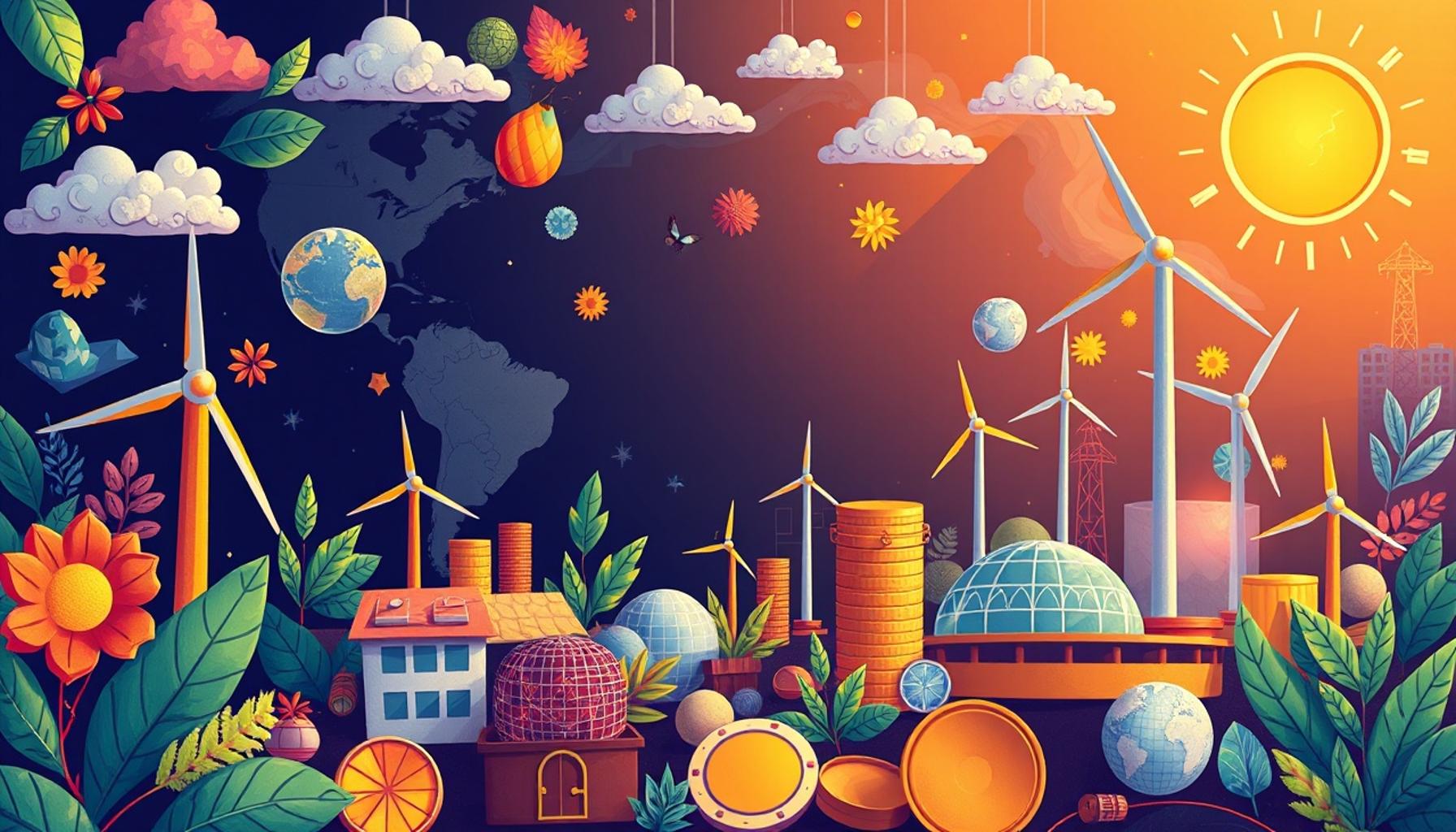
Innovations in Renewable Technologies
The energy landscape is undergoing significant transformation, marked by a global commitment to sustainability and the urgent need to tackle climate change. This shift is propelled by creative solutions in renewable energy technologies that not only mitigate environmental issues but also foster energy independence and stimulate economic growth.
Key Innovations Driving the Change
Among the most prominent innovations are:
- Solar Power Technologies: The efficiency of solar energy systems has improved tremendously, particularly in the realm of photovoltaic (PV) cells, which convert sunlight directly into electricity. Recent advancements have led to the development of bifacial solar panels that can absorb sunlight from both sides, increasing energy generation without requiring additional space. Additionally, solar thermal systems, which utilize mirrors or lenses to concentrate sunlight, are becoming increasingly economical, making solar energy more accessible to both residential and commercial users.
- Wind Energy Innovations: Wind energy continues to be a major player in the renewable sector, especially with innovations in turbine design. Modern turbines are designed to operate more efficiently at lower wind speeds. The development of offshore wind farms takes advantage of higher wind speeds found over oceans, creating a significant opportunity for expanding wind energy production. Countries like the United States are investing heavily in these offshore capabilities along their coastlines, which could provide clean energy to millions of homes.
- Energy Storage Solutions: One of the biggest challenges with renewable energy is its intermittent nature—solar and wind energy production can fluctuate based on weather conditions. Breakthroughs in battery technology, such as the development of lithium-sulfur and solid-state batteries, are enhancing energy storage capacity. These innovations ensure that surplus energy generated during peak production times can be stored and used later, thereby stabilizing the energy supply.
The Broader Impact of Renewable Energy
The transition toward renewable energy sources brings numerous benefits beyond just reducing carbon footprints. For example, the U.S. Department of Energy reports that increased adoption of renewable energy can lead to:
- Reduced Dependency on Fossil Fuels: Investing in renewable energy infrastructure reduces reliance on oil and natural gas, fostering energy security and insulating economies from volatile fossil fuel markets.
- Improved Air Quality: With the reduction of harmful emissions associated with burning fossil fuels, there is a significant improvement in air quality. This is particularly beneficial for urban areas, where pollution is often linked to respiratory diseases and cardiovascular issues.
- Economic Growth: The transition to green energy is also a powerful job creator. For instance, roles in solar panel installation, wind turbine maintenance, and energy efficiency retrofitting are proliferating, providing robust opportunities for employment within local communities.
By understanding these vital innovations and their impacts, individuals and businesses can appreciate their pivotal role in shaping a brighter, more sustainable future. As the world steadily shifts toward greener energy solutions, the investment in renewable technologies emerges not just as a necessity, but as a golden opportunity for progress.
LEARN MORE: Click here to discover more about wage inequality
Advancements Transforming Renewable Energy
As we delve deeper into the innovations that are reshaping the renewable energy landscape, it becomes evident that technology plays a cornerstone role. The integration of innovative practices not only enhances the efficiency of renewable energy sources but also paves the way for comprehensive systemic changes in energy consumption and production globally. Understanding these advancements is vital, as it signifies a collective push towards a sustainable future.
Technological Breakthroughs in Biomass Energy
Another pivotal innovation in the renewable sector is related to biomass energy. This powerhouse source of energy derives from organic materials—such as plant and animal waste—turning them into fuel through processes like combustion or fermentation. Recent advancements have led to the creation of more sophisticated biogas technologies that capture methane emissions from landfills and agricultural activities. This not only generates usable energy but also helps reduce greenhouse gas emissions. For example, farms that convert manure into energy can significantly reduce their carbon footprints while producing power for local facilities.
Hydropower Innovations
Hydropower has been a reliable source of renewable energy for centuries, but fresh innovations are enhancing its effectiveness and environmental compatibility. The emergence of small-scale hydroelectric systems, which are less invasive and easier to install, allows for energy generation without the extensive ecological disruption caused by traditional large dams. These systems harness the power of flowing water in rivers or streams to produce energy while also safeguarding local ecosystems. For instance, community-based hydropower projects are gaining traction in various regions, providing local energy solutions that empower communities economically and environmentally.
Energy Efficiency Measures
Alongside these energy production innovations, energy efficiency technologies are increasingly vital in reducing overall energy consumption. This encompasses smart technologies that optimize usage patterns in homes and businesses. For instance, intelligent thermostats and LED lighting soar in popularity, as they use up to 80% less energy compared to traditional systems. Moreover, the integration of Building Automation Systems (BAS) ensures that heating, cooling, and lighting systems operate at peak efficiency, lowering utility bills and carbon emissions significantly.
As we investigate the advancements in renewable energies, it is essential to recognize their role in harnessing nature’s resources effectively while triggering broader socio-economic advantages. Advancements like biomass energy technologies, small-scale hydropower projects, and energy-efficient systems are not only pivotal resources for clean energy but also exemplify innovative approaches to achieving sustainability. Understanding these innovations demonstrates that cleaner energy solutions are not just aspirational—they are attainable realities that can significantly contribute to global sustainability efforts.
DISCOVER MORE: Click here to delve into the economic impacts of immigration policies.
Emerging Trends and Their Impact on Sustainability
As we continue to explore the innovations within renewable energy, it is essential to highlight the emerging trends that further contribute to global sustainability. These trends not only exhibit the dynamism of the renewable energy sector but also demonstrate its ability to adapt to the evolving challenges posed by climate change and energy demands.
Solar Energy Innovations
Solar energy has experienced remarkable advancements, with photovoltaic (PV) technology at the forefront. Recent breakthroughs in perovskite solar cells have shown immense potential, as they promise higher efficiency rates at a reduced manufacturing cost compared to traditional silicon-based cells. Perovskite materials can be produced using simpler processes, which can enable the widespread deployment of solar panels even in regions with less established manufacturing infrastructure. Furthermore, innovations like integrated solar roofs and solar windows are turning everyday structures into power-generating assets, making it easier for homeowners and businesses to harness the sun’s energy directly.
Wind Energy Evolution
On the wind energy front, turbine technology has advanced significantly. The development of larger, more efficient turbines has allowed energy production to soar, even in areas with lower wind speeds. For example, the new generation of offshore wind turbines can reach heights that capture stronger winds above the surface, producing substantially more energy. Additionally, innovations in floating wind farms enable wind energy generation in deeper ocean waters, further expanding the geographical feasibility of wind projects. This shift not only contributes to energy diversification but also supports marine ecosystem preservation by limiting the footprint of infrastructure on the ocean floor.
Energy Storage Solutions
Despite the advancements in renewable energy generation, one of the critical challenges has been the intermittency of sources like solar and wind. Innovations in energy storage systems, particularly in battery technologies, are addressing this issue head-on. For instance, lithium-ion batteries have become increasingly efficient and affordable, enabling homes and businesses to store excess energy produced during peak production times for use during periods of low generation. More recently, novel solutions like solid-state batteries are emerging, offering higher energy density, reduced fire risk, and longer life cycles. These improvements could be vital in making renewable energy more reliable and consistent.
Smart Grids and Sustainable Energy Management
In tandem with these innovations, the evolution of smart grid technology is revolutionizing energy management. Smart grids utilize advanced communication technologies to improve the coordination between energy providers and consumers. This advanced infrastructure allows for dynamic energy pricing, demand response strategies, and enhanced energy efficiency measures. For example, through smart meters, households can monitor their energy consumption in real-time, encouraging more conscious usage patterns. Furthermore, these grids support the integration of diverse energy sources, enabling a cleaner and more resilient energy system.
The advancements in solar, wind, and energy storage technologies, along with the implementation of smart grids, play a crucial role in accelerating the transition to a sustainable energy future. These developments not only showcase innovation within the renewable energy sector but also emphasize the feasibility of achieving sustainability on a global scale.
DISCOVER MORE: Click here to dive deeper
Conclusion
In summary, the innovations in renewable energies, particularly in solar, wind, and energy storage technologies, are creating a promising path toward enhancing global sustainability. The advancements in photovoltaic technology, such as perovskite solar cells, are not only making solar energy more accessible but also driving down costs, making it a viable option for a broader range of consumers. Meanwhile, the evolution of wind turbine technology and the rise of floating wind farms are expanding the potential for harnessing wind energy, particularly in offshore environments where larger turbines can capitalize on stronger winds.
Furthermore, breakthroughs in energy storage solutions, especially with developments in lithium-ion and solid-state batteries, are addressing the critical issue of intermittency in renewable energy production. These technologies ensure that energy is not only generated but effectively stored for later use, thereby improving reliability and resilience in energy systems. The integration of smart grid technology enhances this resilience, allowing for more efficient energy management and facilitating the use of diverse energy resources. This fosters a proactive approach to energy consumption, encouraging both individuals and businesses to participate in more sustainable practices.
The synergies created by these innovations highlight the intricate relationship between technology and sustainability. As we continue to embrace renewable energy sources and invest in further advancements, the potential to mitigate climate change and create a sustainable future becomes increasingly attainable. By prioritizing renewable energies and supporting the necessary innovations, we are not only taking significant steps toward a greener planet but also ensuring a more sustainable and equitable energy landscape for future generations.

Linda Carter
Linda Carter is a writer and expert known for producing clear, engaging, and easy-to-understand content. With solid experience guiding people in achieving their goals, she shares valuable insights and practical guidance. Her mission is to support readers in making informed choices and achieving significant progress.

