The Influence of Social Media Platforms on Global Political Mobilizations
The Impact of Social Media on Political Mobilization
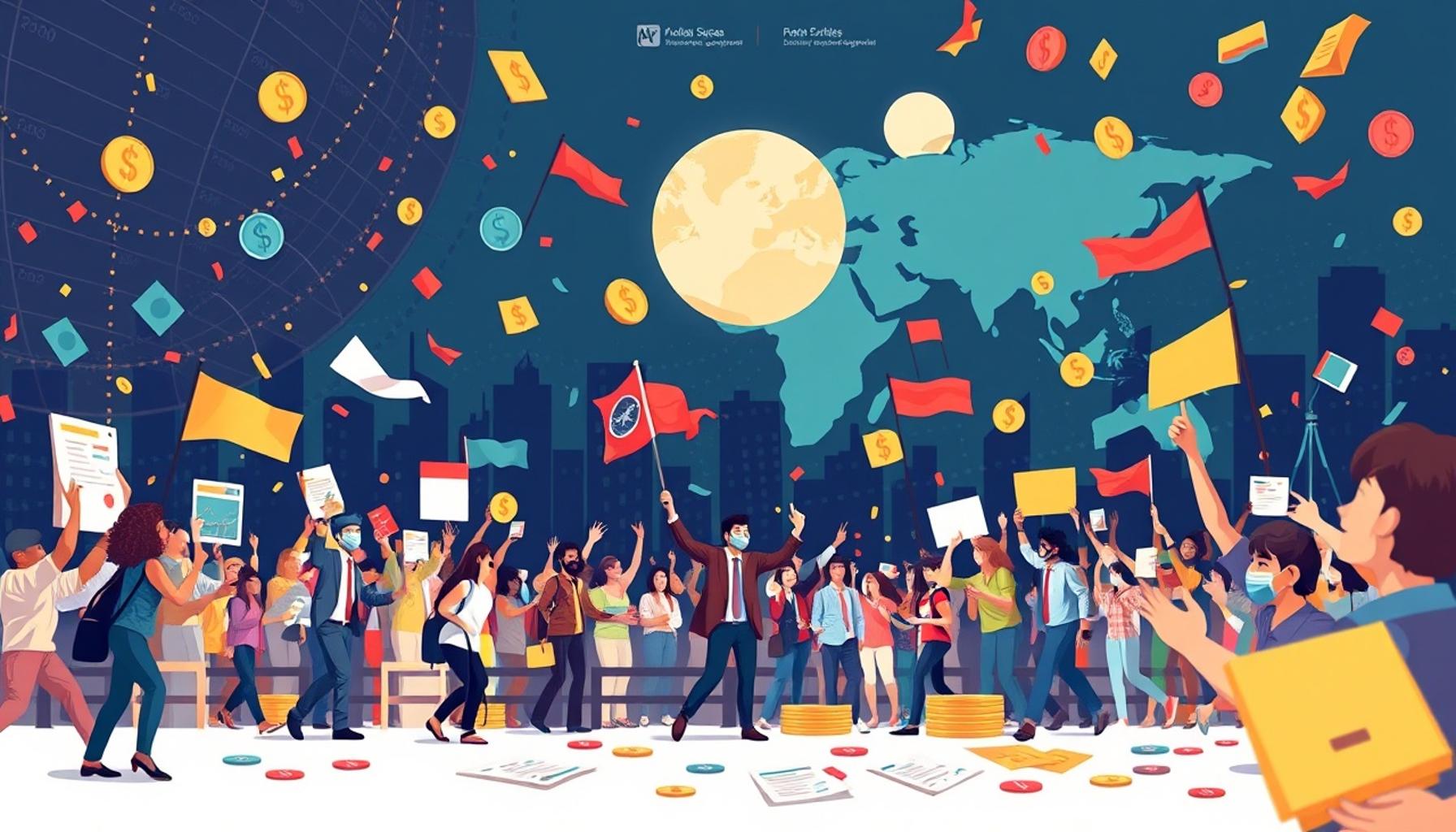
In recent years, social media has dramatically transformed how we communicate, share information, and engage in political discourse. This digital revolution has enabled individuals and groups to organize, advocate for change, and respond to events with unprecedented speed and efficiency. The power of these platforms extends far beyond personal interactions; they serve as vital tools for political mobilization on a global scale.
Key Features of Social Media’s Political Influence
Several key features highlight social media’s substantial influence on politics:
- Real-time Communication: Social media enables instant sharing of information, allowing users to react promptly to political events as they unfold. For instance, during the 2020 U.S. presidential elections, candidates and supporters utilized platforms like Twitter to make swift announcements and updates, influencing public discourse almost instantaneously.
- Widespread Reach: Networks such as Facebook, Twitter, and Instagram boast billions of users worldwide. This vast connection allows political messages and movements to gain traction rapidly. A single tweet can garner thousands of retweets, amplifying a message significantly and reaching audiences that traditional media often overlooks.
- Grassroots Movements: Social media platforms empower activists to rally support without relying on traditional media channels, making movements more accessible than ever. Organizations like MoveOn and Indivisible have effectively used these tools to coordinate protests and advocacy campaigns across the United States, showcasing how ordinary citizens can influence political outcomes.
Real-World Examples of Social Media’s Impact
The influence of social media on political mobilization is evident in numerous significant events:
- The Arab Spring: In several Middle Eastern countries, citizens leveraged social media to organize protests against oppressive regimes. Platforms like Facebook and Twitter became vital tools for sharing information and coordinating demonstrations, playing a crucial role in movements that sought governmental change.
- Black Lives Matter: This movement gained substantial momentum through social media, utilizing hashtags like #BlackLivesMatter to unify voices and spread awareness about systemic racism. The viral nature of posts related to police brutality led to widespread protests across the U.S. and around the world, drawing attention to critical issues of racial injustice.
- Climate Strikes: Young activists, inspired by figures like Greta Thunberg, have effectively utilized social media to coordinate worldwide climate strikes. Through platforms like Instagram and TikTok, they have shared powerful visuals and messages that resonate with their peers, encouraging mass participation and raising awareness about urgent environmental issues.
Understanding the Implications
As we explore the role of social media in political mobilization, it is essential to recognize both the positive and negative implications. On the one hand, these platforms have democratized activism, allowing voices that may have gone unheard to resonate widely. On the other hand, the rapid spread of information can also lead to the dissemination of misinformation and polarizing content, complicating public understanding of vital issues.
In summary, social media has revolutionized political engagement, enabling real-time communication, extending reach, and fostering grassroots movements. Understanding these dynamics is crucial for navigating the complex landscape of modern politics.
DISCOVER MORE: Click here to learn how credit cards affect your finances
Mechanisms of Social Media’s Political Mobilization
To fully appreciate the influence of social media on political mobilizations, it is vital to understand the mechanisms through which these platforms operate. Social media is not merely a tool for sharing content; it fundamentally alters how individuals and groups connect, organize, and act. This section delves into the various mechanisms that amplify the political impact of these platforms.
Networking and Community Building
One of the most significant functions of social media is its ability to foster connections among like-minded individuals. Users can find and join groups that align with their interests and goals, creating a sense of community and shared purpose. This networking capability facilitates not just passive interaction but active collaboration on political issues. For instance, the rise of online forums and hashtags allows people from diverse geographical locations to unite around a common cause, such as women’s rights or climate change, regardless of their physical distance.
Viral Content and Engagement
The concept of virality cannot be overstated when discussing social media’s political influence. Content that resonates emotionally or intellectually can spread rapidly, capturing widespread attention. Memes, videos, and infographics often convey complex political messages in a digestible format, making them more likely to be shared. This phenomenon is particularly visible during election cycles, where campaign messages that challenge the status quo can go viral, effectively mobilizing a younger and more digitally savvy electorate. For example, during the 2016 U.S. presidential election, memes and shareable content played significant roles in shaping political discussions among younger voters, leading to increased engagement and turnout.
Mobilization Strategies in a Digital Age
Social media platforms offer activists innovative ways to mobilize support through strategically crafted campaigns. Here are some common strategies used by modern political movements:
- Hashtag Campaigns: Activists utilize hashtags to unify their messaging and increase visibility. Hashtags such as #MeToo and #BlackLivesMatter have cultivated communities around social justice issues, facilitating discussions and calls to action.
- Live Streaming Events: Platforms like Facebook Live and Instagram Live allow organizations to broadcast events or protests in real time, engaging viewers and encouraging participation. These live updates provide a sense of immediacy, motivating viewers to get involved.
- Influencers and Endorsements: Collaborating with social media influencers helps amplify messages and reach broader audiences. Influencer endorsements can lend credibility to a cause, drawing in followers who may not have been aware of the issue.
Through these mechanisms, social media platforms reshape the landscape of political mobilization by offering new tools and strategies for engagement. This dynamic environment provides opportunities for grassroots movements, but it also presents challenges, particularly concerning the spread of false information. As we delve further into these impacts, it is essential to analyze both the empowering aspects of social media and its potential drawbacks.
DISCOVER MORE: Click here to learn how to attract and keep top talent
The Double-Edged Sword of Information
While social media has facilitated unprecedented political mobilization, it also poses significant challenges, particularly through the spread of misinformation. In an age where information travels at lightning speed, the rapid dissemination of false narratives can disrupt movements and distort public perception. Understanding both the empowering aspects of social media and the threats associated with misinformation is crucial in evaluating its overall impact on political mobilization.
The Spread of Misinformation
Misinformation—whether intentional or accidental—can undermine the goals of political movements. Social media platforms are often criticized for allowing false information to proliferate, which can confuse or mislead users. A notable example occurred during the 2020 United States presidential election when false claims about voting procedures and results circulated widely on platforms like Facebook and Twitter. This not only contributed to public distrust in the electoral process but also led to chaotic events surrounding the election outcomes.
This dynamic creates a complex environment where activists must combat not only the opposition but also mischaracterizations of their positions. Efforts to fact-check information and clarify misunderstandings become essential components of modern political mobilization strategies. Activists often utilize social media to highlight misinformation, correct inaccuracies, and educate their followers about reliable sources. This process is integral to maintaining the credibility of movements and ensuring that their messages resonate with the public.
The Role of Algorithmic Amplification
Another significant aspect of social media is how algorithms decide what content users see. These algorithms tend to favor engagement, often promoting sensational or controversial content that may not necessarily be accurate or reflective of the broader context. Consequently, echo chambers can form, where users only encounter viewpoints that reinforce their pre-existing beliefs. For example, during the COVID-19 pandemic, misinformation regarding vaccines was widely circulated on social media, leading to polarized opinions and reluctance among certain groups to get vaccinated.
This algorithmic bias can be very impactful for political mobilization. Activists must be aware of these mechanisms and design their content to perform well in algorithmic evaluations. Strategic use of language, visuals, and engaging formats can ensure that their messages reach audiences effectively, even in an environment crowded with competing narratives.
Empowerment Through Resistance
Despite the challenges posed by misinformation, social media remains a powerful tool for mobilizing collective action. Grassroots movements have leveraged these platforms to successfully organize protests and awareness campaigns, often in response to systemic injustices. The spontaneous nature of social media allows movements to arise swiftly, often in response to triggering events, as demonstrated by the Ferguson protests in 2014 following the shooting of Michael Brown. Hashtags like #Ferguson ignited conversations about racial injustice and police brutality, drawing national and global attention.
Moreover, social media can level the playing field for marginalized groups by providing them with a platform to voice their concerns. Activists fighting for climate action, LGBTQ+ rights, and indigenous sovereignty have utilized social media to create solidarity networks and amplify their causes. In many cases, their campaigns have attracted widespread support, influencing policy discussions and generating international solidarity.
In summary, while social media is a powerful catalyst for political mobilization, it is not without its complications. The spread of misinformation and algorithmic biases present substantial obstacles; however, these challenges can also prompt activists to adapt and innovate. By employing targeted strategies to engage audiences and fact-check information, movements can harness the true potential of social media to advocate for change effectively.
DIVE DEEPER: Click here to learn more
Conclusion
In conclusion, the influence of social media platforms on global political mobilizations is both profound and complex. These digital spaces have revolutionized the way individuals and groups can rally around causes, enabling swift organization and dissemination of information that often brings critical issues to the forefront. The ability to amplify marginalized voices and galvanize collective action is one of social media’s most powerful attributes, illustrated vividly in movements like Black Lives Matter and climate activism.
However, this empowerment is counterbalanced by the significant challenge of misinformation, which can derail movements and sow discord within communities. The rapid spread of false narratives, compounded by algorithmic biases that favor sensational content, creates an environment where activists must constantly battle against misleading information. This highlights the necessity for vigilance, strategic communication, and robust fact-checking to maintain the integrity of their messages.
Ultimately, while social media serves as a double-edged sword, its potential for fostering global political mobilizations cannot be underestimated. As users become more aware of the mechanisms of influence at play, there is an opportunity for stronger, more informed communities to emerge. It is essential for participants in the political arena to harness the power of these platforms not just for mobilization, but also for promoting a culture of truthfulness and accountability, creating a landscape where meaningful change can flourish.

Linda Carter
Linda Carter is a writer and expert known for producing clear, engaging, and easy-to-understand content. With solid experience guiding people in achieving their goals, she shares valuable insights and practical guidance. Her mission is to support readers in making informed choices and achieving significant progress.