
Innovations in Urban Mobility: How Cities Are Adapting to Technology
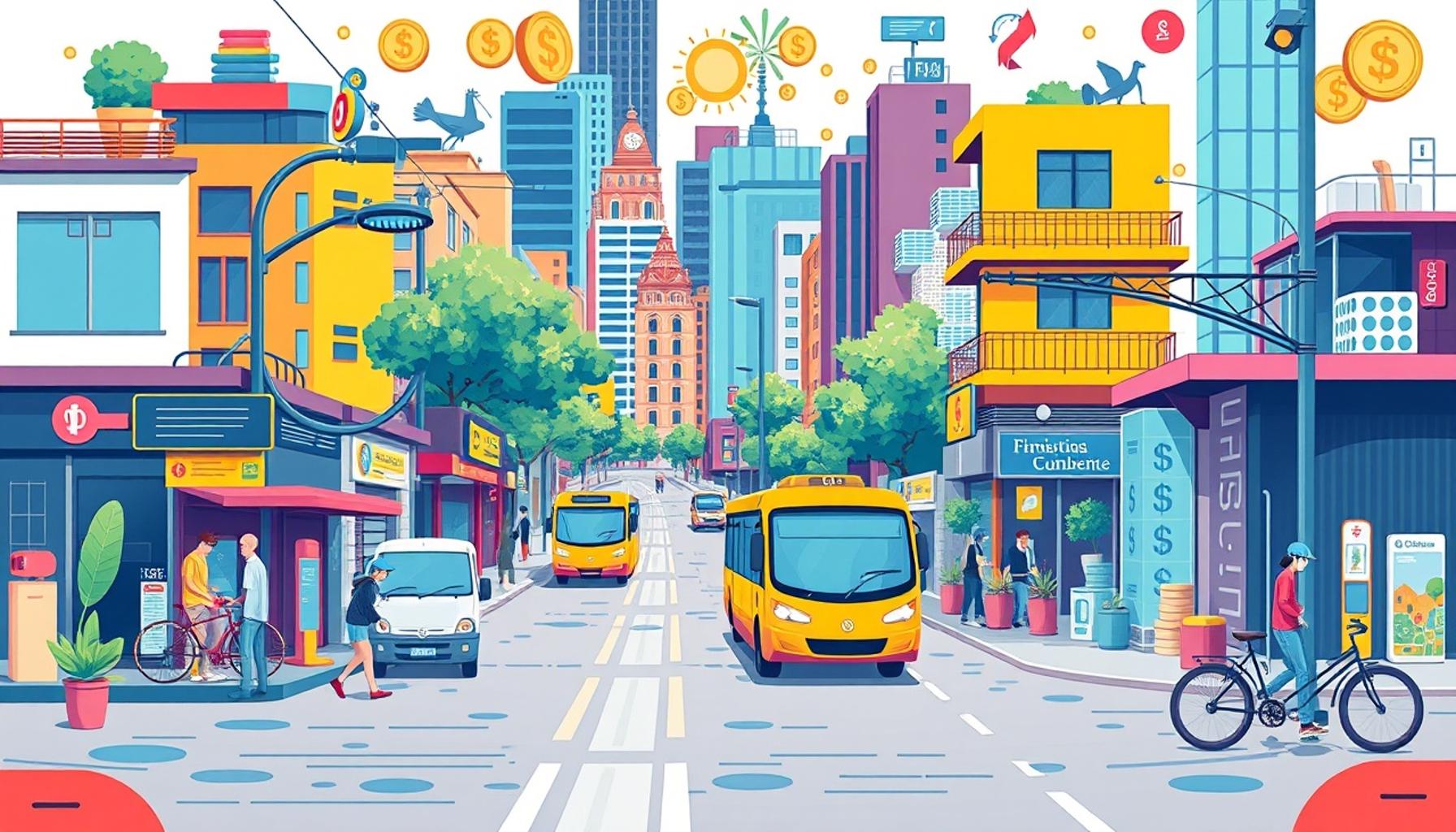
Understanding Urban Mobility Innovations
As cities continue to grow and evolve, they face an array of challenges regarding transportation. Congestion is a major issue, with traffic jams wasting precious time and resources. Moreover, pollution from traditional gas-powered vehicles significantly impacts air quality, while accessibility remains a concern for those who rely on public transport. Fortunately, technological advancements are paving the way for a more efficient urban mobility landscape.
Electric Vehicles (EVs) are at the forefront of this transformation. Many cities are investing heavily in the development of charging infrastructure, making it easier for residents to switch from gasoline vehicles to eco-friendly alternatives. For instance, cities like Los Angeles and San Francisco have established extensive networks of charging stations for EVs, encouraging their use through financial incentives like rebates and tax credits. This not only helps reduce greenhouse gas emissions but also relies on the growing trend of using renewable energy sources, such as solar power, to charge these vehicles.
Shared Mobility Services are also emerging as vital alternatives to traditional car ownership. Ride-sharing programs like Uber and Lyft have revolutionized how people travel within city limits. In parallel, bike-sharing initiatives, such as Citi Bike in New York City, provide convenient and affordable options for both short commutes and leisurely outings. These services can significantly decrease the number of vehicles on the road, which in turn reduces traffic congestion and lowers pollution levels in urban environments.
Furthermore, cities are leveraging Smart Traffic Management systems to enhance transportation efficiency. By using artificial intelligence and data analytics, urban planners can monitor traffic patterns in real-time, adjusting traffic signals to optimize flow and minimize delays. For example, cities like Austin, Texas, are utilizing adaptive traffic signals that communicate with vehicles, allowing for smoother transitions that benefit both drivers and pedestrians.
To enhance the public transportation experience, many urban areas are focusing on Public Transit Enhancements. Innovations such as real-time tracking apps help commuters plan their journeys more effectively by providing accurate arrival times for buses and subways. Additionally, mobile ticketing options make fare payments more convenient, as users can purchase tickets directly from their smartphones, thus reducing the time spent waiting in lines at ticket machines.
Overall, the integration of these technologies allows cities to build more efficient, environmentally friendly, and user-centric transportation systems. This evolution in urban mobility not only enhances the daily commuting experience for residents but also contributes to larger goals of sustainability and improved air quality, making cities more livable for everyone.
LEARN MORE: Click here for insights on government regulations
Transforming Transportation with Electric Vehicles
The shift towards Electric Vehicles (EVs) is one of the most significant changes in urban transportation. As concerns about climate change and air pollution grow, cities are making concerted efforts to reduce their carbon footprints. Electric vehicles provide a cleaner alternative, generating zero tailpipe emissions and utilizing renewable energy sources for power. For cities in the United States, the transition to EVs is not just desirable; it’s becoming essential.
Many local governments are implementing initiatives to promote the adoption of electric vehicles. This includes expanding charging infrastructure, which is crucial for easing the range anxiety that many potential EV users feel. By establishing numerous charging stations in key locations—such as shopping centers, residential areas, and workplaces—cities can encourage residents to consider electric cars as a practical choice. States like California, for example, have been particularly aggressive in trying to boost EV adoption by offering financial incentives, such as rebates for electric vehicle purchases, tax credits, and even access to carpool lanes.
Embracing Shared Mobility Models
Alongside the rise of electric vehicles, Shared Mobility Services are revolutionizing how individuals navigate their cities. This shift toward shared services allows residents to use various modes of transportation without the burden of ownership. Ride-sharing platforms such as Uber and Lyft are now commonplace, offering affordable and convenient options for getting around. These services often appeal to people who may not want to commit to owning a car, especially in urban areas where parking can be both scarce and expensive.
Bicycle-sharing programs are also gaining popularity in many cities. For instance, programs like Citi Bike in New York City and Divvy in Chicago allow users to rent bikes for short periods, enhancing mobility for short trips while helping to reduce traffic congestion. By encouraging cycling, cities can foster a healthier lifestyle and reduce carbon emissions. The accessibility of these services can significantly reshape urban mobility, making it easier for residents to choose greener transportation options.
Utilizing Smart Traffic Management Systems
Finally, to tackle the ever-present challenge of urban congestion, many municipalities are turning to Smart Traffic Management systems. These technologies utilize data analytics and artificial intelligence to create real-time traffic monitoring solutions. Cities such as Austin, Texas, are pioneering this approach by implementing adaptive traffic signals that adjust to current traffic conditions. By analyzing the flow of vehicles, these systems minimize delays at intersections, promoting smoother traffic flow and reducing congestion.
Moreover, smart traffic systems can also enhance public safety. For example, they often incorporate feedback loops that prioritize pedestrian crossing signals when foot traffic is heavy. This ensures that the infrastructure responds to real-time human needs, making city streets safer for everyone.
In summary, as cities embrace innovations like electric vehicles, shared mobility services, and smart traffic management, they are reshaping urban landscapes. These measures create a more sustainable, efficient, and user-centric environment for urban commuters. The resulting improvements not only alleviate congestion and pollution but also contribute to the overall quality of life in city settings, making urban areas more welcoming for all.
DISCOVER MORE: Click here to learn about 5G technology’s impact on security and privacy</a
Integrating Public Transit and Technology
As urban populations continue to grow, public transit systems are evolving to meet the needs of a diverse range of commuters. This evolution is being driven by the integration of technology into traditional public transportation. Cities are adopting innovative solutions that improve the efficiency, accessibility, and convenience of public transit, making it a more appealing option for daily commutes.
One such innovation is the implementation of real-time tracking apps. Many cities across the United States have rolled out mobile applications that allow riders to track buses and trains in real-time. For instance, Washington, D.C.’s Metro Transit Authority provides a mobile app that includes features like live bus and train tracking, service alerts, and trip planning options. This access to real-time data helps commuters make informed decisions about their travel routes and times, reducing anxiety associated with waiting for public transportation.
Additonally, cities are investing in smart ticketing systems, which simplify fare payment and streamline the boarding process. Contactless payment methods allow users to tap their smartphones or cards on validators rather than fumbling for cash or paper tickets. This innovation not only speeds up the boarding process but also encourages more people to use public transit by enhancing the convenience of travel. For example, cities like Los Angeles and San Francisco have adopted systems where riders can preload funds onto cards for faster access. These initiatives contribute to a more user-friendly transit experience, attracting more users to the system.
Data-Driven Urban Planning
In an era defined by information, data is becoming a pivotal resource for city planners aiming to improve urban mobility. By leveraging data analytics, cities can gain valuable insights into travel patterns, peak commute times, and the overall effectiveness of transportation systems. These insights enable urban planners to design infrastructure improvements that are responsive to real community needs.
For instance, cities may use data gathered from shared mobility services and public transit to identify under-served locations where additional routes or services could be beneficial. This approach was notably implemented in Seattle, where data analysis led to the addition of new bus routes that better connect neighborhoods to key employment centers. By using analytical data, planners are equipped to make evidence-based decisions, ultimately enhancing accessibility for residents.
Promoting Sustainable Mobility Solutions
Alongside the technological advancements, cities are fostering a culture of sustainable mobility. Urban policies are increasingly emphasizing the importance of incorporating eco-friendly solutions into transportation. Programs focused on car-free zones, pedestrian-friendly infrastructure, and expanded public transport networks are becoming more common, changing how residents interact with their environment.
Additionally, cities are embracing micro-mobility solutions, such as electric scooters and e-bikes, as viable transportation options. These adaptable modes of transport are particularly advantageous for residents making short trips, reducing reliance on traditional cars and lowering emissions. Cities like Portland, Oregon, have introduced comprehensive regulations to support the safe and effective use of these shared bikes and scooters, providing an alternative that is both convenient and environmentally friendly.
Moreover, through zoning laws and land use policies, city officials can encourage mixed-use developments that decrease the reliance on cars. By creating neighborhoods where residents can live, work, and play within walking distance, cities are promoting a healthier, more active lifestyle. This not only reduces traffic congestion but also enhances neighborhood cohesion.
DISCOVER MORE: Click here for insights on funding strategies
Conclusion
In this rapidly evolving landscape of urban mobility, cities are increasingly embracing technological innovations to enhance transportation systems and improve the quality of life for residents. From the creation of real-time tracking apps that empower commuters with information at their fingertips to the implementation of smart ticketing systems that streamline fare payments, these advancements are making public transit both more efficient and more user-friendly.
Moreover, the integration of data analytics into urban planning represents a transformative shift where decisions are guided by insights rather than assumptions. This data-driven approach allows cities to identify gaps in service and better allocate resources, ensuring that all citizens have access to safe and reliable transportation options.
As cities prioritize sustainable mobility solutions, they are fostering a culture that encourages eco-friendly transportation practices. Initiatives promoting micro-mobility options and pedestrian-friendly infrastructures are pivotal in reducing car dependency, contributing to healthier ecosystems and communities. Furthermore, by designing urban environments that promote walking and cycling, cities enhance connectivity and social interaction among residents.
In summary, the future of urban mobility hinges on continued innovation and adaptation. Cities that harness technology with an eye toward sustainability and inclusivity are not only addressing current challenges but are also paving the way for a more efficient, accessible, and environmentally conscious transportation landscape. As these changes take hold, the possibility of transforming urban living into a more enjoyable and interconnected experience becomes an exciting reality.

Linda Carter
Linda Carter is a writer and expert known for producing clear, engaging, and easy-to-understand content. With solid experience guiding people in achieving their goals, she shares valuable insights and practical guidance. Her mission is to support readers in making informed choices and achieving significant progress.