
The Role of 5G Networks in Connecting Emerging Economies
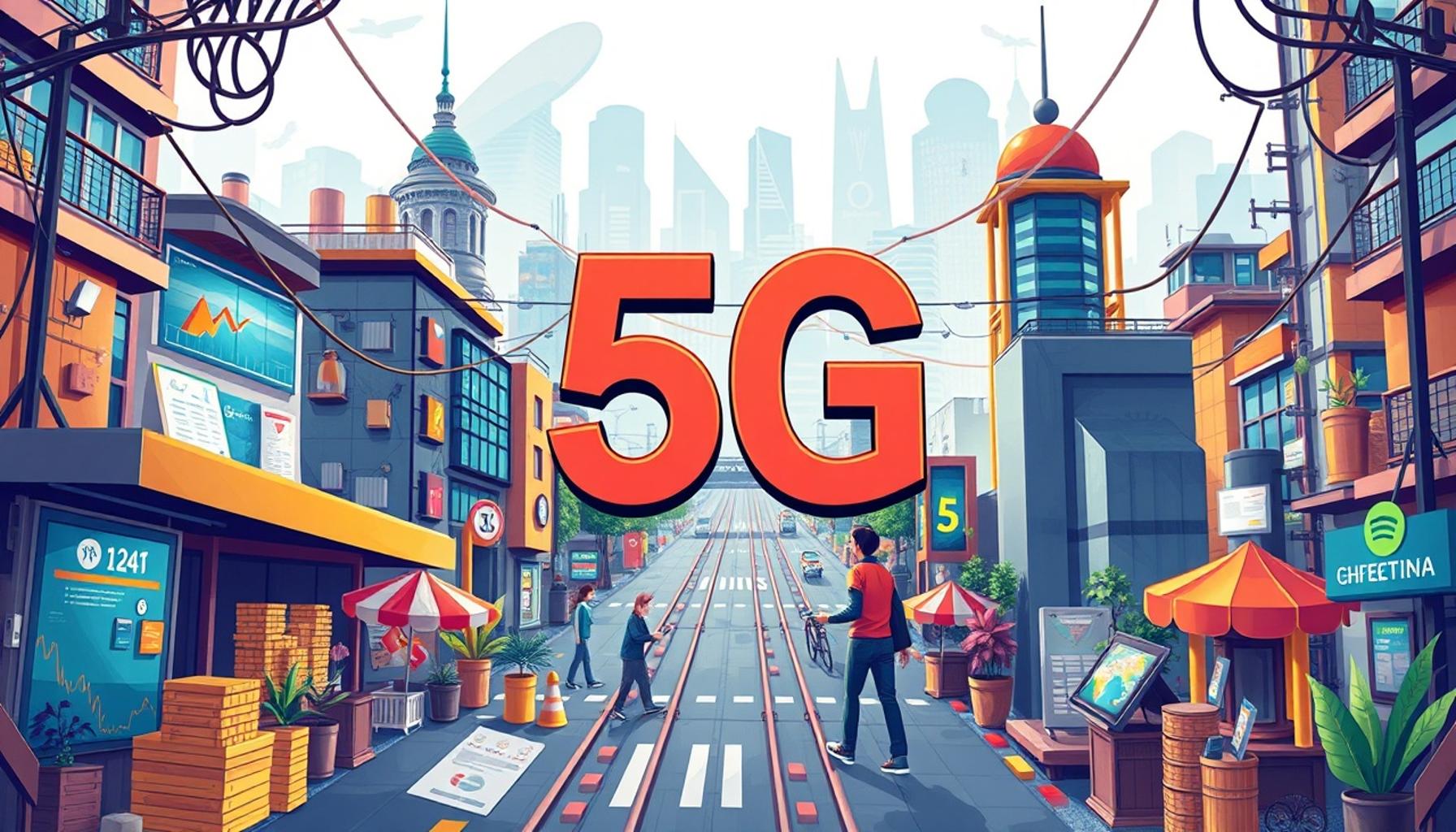
The Transformative Impact of 5G on Emerging Economies
The introduction of 5G networks marks a significant milestone in technological advancement, especially for emerging economies. These nations are often characterized by their rapid growth and a strong desire to improve their infrastructure and economic conditions. With the capabilities of 5G, these countries can bypass many traditional barriers to development and unlock numerous opportunities that were previously out of reach.
One of the most compelling advantages of 5G is its faster internet speeds. While 4G networks provided decent connectivity, 5G can deliver speeds exceeding 10 gigabits per second, enabling not only routine internet activities but also facilitating data-intensive applications like augmented reality (AR) and virtual reality (VR). This is particularly beneficial for educational institutions in these economies, which can utilize online learning platforms more effectively. For example, students in rural areas can access quality educational resources remotely, thereby enhancing their learning experience.
Another significant benefit of 5G is its lower latency. This is the time it takes for data to travel from one point to another, and with 5G, this latency is reduced to mere milliseconds. This is crucial for industries such as healthcare, where telemedicine is becoming increasingly popular. Imagine a scenario where doctors can perform remote surgeries using robotic devices with real-time feedback. This not only saves lives but also makes healthcare accessible to underserved populations in remote areas of countries like India or Brazil.
Increased capacity is yet another feature of 5G, enabling a multitude of devices to connect simultaneously without hampering performance. This is a vital aspect for bustling urban areas facing rapid population growth. Smart city initiatives, which rely on interconnected devices for efficient traffic management, public safety, and energy usage, can become a reality. For instance, in cities like São Paulo, Brazil, local authorities can leverage 5G to implement smart traffic lights that reduce congestion by adapting to real-time traffic conditions.
The impact of 5G extends beyond just technological advancements; it has the potential to bridge the digital divide within these nations. By promoting equitable access to technology, 5G can create a more inclusive environment where everyone—regardless of their economic status—can participate in the digital economy. This will not only boost local entrepreneurship but also attract foreign investments, promoting a more robust global integration.
As we dive deeper into the implications of 5G, it becomes apparent that embracing this technology is not just about improving internet speed; it’s about laying the groundwork for future development, economic growth, and enhanced quality of life in emerging economies. The transformation that 5G networks could bring is profound, representing a golden opportunity for nations to innovate and thrive in today’s interconnected world.
DISCOVER MORE: Click here to learn about the importance of business portfolio diversification
Unlocking Innovation Through Enhanced Connectivity
The introduction of 5G networks in emerging economies serves as a catalyst for innovation and connectivity, presenting a wide array of opportunities that can reshape their futures. With its capabilities, 5G addresses critical challenges related to infrastructure, accessibility, and economic competitiveness. Below are several ways in which 5G can significantly impact these economies:
- Improving Agriculture: In farming-dominated economies, 5G can enable precision agriculture, where farmers use data transmitted by sensors and drones to monitor crop health and optimize yields. For instance, farmers in Kenya can leverage real-time data on soil conditions to make informed decisions, ultimately boosting productivity and sustainability.
- Enhancing Manufacturing: As countries like Vietnam and Indonesia seek to position themselves as manufacturing hubs, 5G can transform factories with interconnected machines and smart logistics systems. This will result in enhanced efficiency, reduced operational costs, and increased competitiveness in global markets.
- Boosting Financial Inclusion: Emerging economies often grapple with issues of limited banking access. 5G technology can accelerate the growth of mobile banking and fintech solutions, paving the way for individuals to access financial services through their smartphones. In Nigeria, for example, mobile money services are already making significant strides in driving financial inclusion.
- Advancing Tourism: With 5G, countries can enhance their tourism appeal through improved digital services. Smart city solutions can provide visitors with real-time information about local attractions, transportation options, and cultural experiences, helping to create memorable travel experiences. For example, cities like Addis Ababa, Ethiopia, can offer digital guides and augmented reality tours to engage tourists.
Furthermore, the deployment of 5G can foster greater collaboration between governments, private sectors, and educational institutions. By encouraging partnerships, these stakeholders can innovate and implement solutions specific to their local challenges, tapping into the full potential of the digital economy. For instance, partnerships between mobile operators and local governments can expedite the rollout of 5G infrastructure, ensuring that even the most remote communities are connected.
Education remains a pivotal area where 5G can make a lasting impact. Beyond remote learning, the ability to access high-quality educational content through various media formats—such as videos, interactive platforms, and live discussions—can revolutionize the learning experience. For students in Nigeria who now can participate in virtual classrooms hosted by top-tier universities from around the globe, this newfound accessibility is truly life-changing.
In summary, the transformative power of 5G networks extends far beyond just enhancing connectivity; it paves the way for a wide range of economic and social advancements. Emerging economies that embrace 5G technology not only position themselves for growth but also create pathways toward a more inclusive and connected future. As these nations adopt and integrate 5G into their daily lives, they can harness its potential to bridge gaps and drive sustainable growth for the next generation.
DIVE DEEPER: Click here to learn more
Transforming Healthcare Delivery in Emerging Markets
The integration of 5G networks into healthcare systems across emerging economies can dramatically improve healthcare delivery and access. This technology enables remote patient monitoring, telemedicine, and enhanced data sharing between healthcare providers. As a result, patients who previously faced barriers to care can now receive timely and effective medical attention.
- Telehealth Services: In countries where healthcare infrastructure is lacking, telehealth services powered by 5G can facilitate virtual consultations between patients and doctors. For instance, in rural areas of India, patients often travel long distances to receive care. With 5G, they can consult healthcare professionals through video calls without leaving their communities, reducing travel costs and time, and increasing efficiency in care delivery.
- Remote Patient Monitoring: With the ability to connect numerous medical devices, 5G supports remote patient monitoring systems that track health metrics in real time. Wearable devices can transmit data on vital signs, which is crucial for managing chronic conditions such as diabetes and hypertension. In Brazil, for example, community health workers can monitor patients’ health remotely, allowing quicker interventions and reducing hospital readmission rates.
- Data-Driven Insights: The high speeds and low latency of 5G enable healthcare providers to share and analyze large datasets more quickly. This can lead to improved patient outcomes and better public health strategies. Governments can leverage data analytics to monitor disease outbreaks and allocate resources efficiently — a necessity highlighted by the recent pandemic.
Additionally, 5G technology can foster entrepreneurship in the emerging economies’ healthcare sectors. Startups focused on health technology can flourish as they develop innovative solutions tailored to local needs. For example, a startup in South Africa might create a mobile app that connects local farmers with medical professionals, ensuring they receive immediate advice on health matters affecting their livelihoods.
Enabling Smart Cities and Sustainable Development
The deployment of 5G networks lays a crucial foundation for the development of smart cities in emerging economies. By integrating IoT (Internet of Things) devices with 5G connectivity, urban areas can enhance their operational efficiency and improve the quality of life for residents.
- Smart Traffic Management: City authorities can utilize 5G to gather real-time data from traffic sensors, allowing for better traffic management. In cities like Nairobi, smart traffic lights could adapt based on current traffic conditions, reducing congestion and improving air quality.
- Energy Efficiency: 5G can optimize energy consumption in urban environments through smart grids and metering systems. By enabling real-time data sharing between electricity providers and consumers, cities can promote energy conservation and reduce waste. For example, a smart metering system in an urban area in Egypt could help identify peak usage times and offer incentives for reducing consumption during those periods.
- Waste Management: Smart waste management systems using 5G can route garbage collection trucks based on current waste levels in bins. In cities like Accra, Ghana, this technology can lead to cleaner streets, reduced costs, and more efficient use of resources.
As these nations leverage 5G technology for smart city initiatives, they not only enhance urban living but also attract foreign investment, leading to job creation and economic development. The ripple effects of such innovations can create vibrant local economies that benefit a diverse range of stakeholders.
DISCOVER MORE: Click here to learn about credit limits
Conclusion
In summary, the advent of 5G networks holds great promise for emerging economies, serving as a powerful catalyst for progress across various sectors. By providing enhanced connectivity, 5G empowers individuals and businesses, facilitating access to essential services, particularly in healthcare and urban management. This technology’s ability to support telehealth services, remote monitoring, and data-driven insights transforms healthcare delivery, making it more accessible for populations that previously faced significant barriers.
Moreover, the potential for developing smart cities through 5G integration offers a pathway to sustainable urban growth. The optimization of traffic management, energy consumption, and waste management through real-time data sharing not only enhances local living conditions but also encourages economic investment and development. As countries invest in 5G infrastructure, they lay the groundwork for innovation and entrepreneurship, allowing local businesses to flourish and adapt solutions to community-specific needs.
As we look ahead, it is essential for policymakers and stakeholders to recognize and harness the opportunities presented by 5G technology. By doing so, emerging economies can unlock new avenues for economic development, ensure equitable access to services, and ultimately improve the quality of life for their citizens. The role of 5G networks in connecting and uplifting these economies is not merely a technological advancement; it is a crucial step toward a more inclusive and prosperous future.

Linda Carter
Linda Carter is a writer and expert known for producing clear, engaging, and easy-to-understand content. With solid experience guiding people in achieving their goals, she shares valuable insights and practical guidance. Her mission is to support readers in making informed choices and achieving significant progress.