

The Evolution of Renewable Energy Technologies and Their Impact on Geopolitical Relations
Transition to Renewable Energy
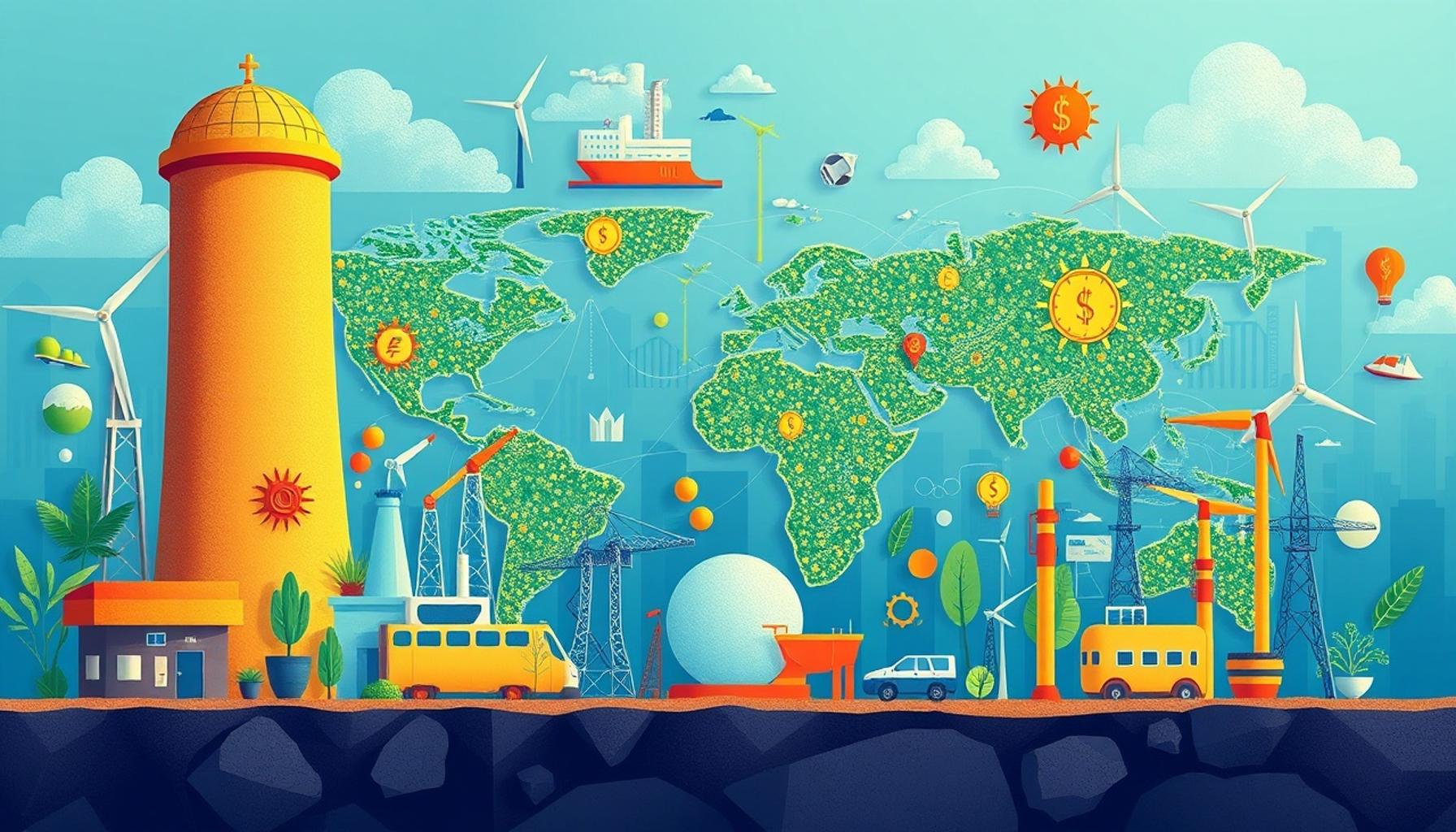
The global energy landscape is experiencing a profound transformation as nations and communities pivot away from traditional fossil fuels. This transition towards renewable energy technologies is driven by an increasing commitment to environmental sustainability and a keen recognition of the ever-changing dynamics of power on the world stage. As we continue to innovate and implement these advanced technologies, the implications are far-reaching, not only impacting energy availability but also reshaping economies and international relations.
Exploring Key Renewable Energy Sources
Several key players are leading the charge in the renewable energy movement:
- Solar Energy: This technology harnesses solar radiation through photovoltaic panels, turning sunlight directly into electricity. With advancements such as solar farms and residential solar panels, states like California are leading in solar energy generation, aiming to produce 100% of their electricity from renewable sources by 2045.
- Wind Energy: By utilizing wind turbines, this powerful source captures wind currents to generate electricity. The Midwest, particularly around states like Texas and Iowa, has become a hub for wind farms, capitalizing on favorable wind conditions and providing substantial economic growth through job creation in this sector.
- Hydropower: Utilizing flowing water to produce energy, hydropower remains one of the oldest renewable energy technologies. Dams, such as the Hoover Dam on the Colorado River, are classic examples of hydropower, generating substantial electricity while also providing critical water management solutions.
- Geothermal Energy: This lesser-known resource taps into the Earth’s internal heat, providing a consistent and reliable energy source. In regions like the western United States, geothermal plants exploit naturally occurring hot springs to provide both heating and electricity generation.
- Biomass: Converting organic materials, such as agricultural waste, into energy represents a valuable process that not only generates power but also reduces waste. This technology is particularly significant in rural areas, where agricultural byproducts can be transformed into biomass energy.
Impact on Global Relations and Economies
The rise of renewable energy does not solely pertain to cleaner energy solutions; it also influences international power dynamics and economic partnerships:
- Energy Independence: Nations can greatly reduce their reliance on foreign oil, allowing them to stabilize their economies and enhance national security. For instance, the United States has increased domestic oil and gas production as well as renewable energy installations, reducing vulnerability to international market fluctuations.
- Economic Partnerships: New alliances are forming based on renewable energy technologies. For example, countries like Germany are collaborating with developing nations to share renewable technologies, fostering economic relationships built on sustainability and innovation.
- Environmental Policies: As countries enact new policies aimed at combatting climate change, we see a growing trend towards adopting renewable energy. For instance, the U.S. rejoined international climate agreements with a focus on clean energy initiatives, which serve as effective tools for sustainable development.
Conclusion
Understanding the shift towards renewable energy is essential for grasping its broad effects on economies, societies, and international affairs. As we embrace these changes, the importance of adapting to renewable technologies not only supports a sustainable future but also enhances energy security and fosters greater global cooperation. As we move forward, it is crucial to recognize the interconnectedness of energy production, environmental policy, and international relations in fostering a sustainable world.
DISCOVER: Click here to learn more about cashback credit cards
The Role of Innovation in Renewable Energy Technologies
As renewable energy technologies evolve, they are informed by constant innovation. From enhanced energy storage solutions to cutting-edge smart grid technologies, the landscape of renewable energy is in a state of perpetual growth. This ongoing innovation is crucial because it not only enhances the efficiency and reliability of clean energy sources but also influences the global energy market and geopolitical relations.
Advancements in Energy Storage
One of the significant barriers to the widespread adoption of renewable energy has been its inherent intermittency. Solar and wind energy, while abundant, are not always available on demand. To combat this issue, advancements in energy storage technologies have emerged. These innovations—such as lithium-ion batteries and pumped hydro storage—enabling energy to be stored and dispatched when needed, are reshaping the viability of renewables. For example:
- Battery Storage: Companies are investing heavily in battery technology to create systems that can store large amounts of energy generated from renewable sources. This development allows regions with high solar or wind capacity to use energy even when the sun isn’t shining or the wind isn’t blowing.
- Pumped Hydro Storage: Utilizing the principles of gravity, pumped hydro systems can store energy by pumping water uphill during low demand and releasing it back to generate power when needed, providing a reliable buffer that stabilizes the grid.
Smart Grids and Their Importance
The implementation of smart grid technology represents another significant leap in the renewable energy landscape. Smart grids are digital communication networks that monitor and manage electricity flows from all generation sources. Their capabilities include:
- Real-Time Monitoring: Smart grids allow for the real-time assessment of energy demand and supply, enabling utilities to better manage their resources and minimize waste.
- Integration of Distributed Energy Resources: These grids can easily accommodate various energy inputs, such as solar panels on residential rooftops or wind farms, promoting local energy generation and enhancing energy security.
- Consumer Engagement: By providing consumers with detailed usage data, smart grids empower individuals to make informed choices about their energy consumption, further driving demand for renewable options.
The Role of Policy and Investment
The growth of renewable energy technologies is also propelled by supportive policies and investments from governments and private sectors alike. For example, the United States has seen significant financial commitments towards renewable energy projects, particularly in the form of tax incentives, grants, and research funding. This financial support not only accelerates the development of new technologies but also encourages businesses to transition toward greener practices.
Governments are recognizing the strategic advantage of leading in renewable energy innovation. Countries that invest in these technologies can secure economic competitiveness and exacerbate their influence on the world stage. For example, nations that emerge as hubs for solar manufacturing or wind technology may establish stronger economic relationships, drive foreign investment, and enhance their geopolitical leverage.
LEARN MORE: Click here to discover the best credit cards for immigrants
Geopolitical Dynamics Shaped by Renewable Energy
As renewable energy technologies advance, they inevitably reshape geopolitical relations among nations. The shift toward cleaner energy is not merely an environmental imperative; it is becoming a critical factor in national security, economic strategy, and foreign policy. Countries that embrace renewable energy technologies can significantly influence their geopolitical stature and relationships with others.
The New Energy Paradigm
Countries traditionally reliant on fossil fuel exports, such as those in the Middle East, are facing a transformation in their economic and political landscapes. The global shift towards renewable energy means that demand for oil and natural gas may decline, which could lead to decreased influence for these nations. For instance, Saudi Arabia has begun investing in renewable projects and diversifying its economy away from oil dependency through initiatives like Vision 2030. By doing so, it aims to maintain economic stability and geopolitical relevance in a potentially oil-scarce future.
Energy Independence and Security
Renewable energy technologies also provide a pathway for nations to achieve energy independence. Countries that can harness their domestic renewable resources reduce their reliance on foreign energy supplies, enhancing their national security. For example, the United States has made significant strides in solar and wind energy production, allowing it to utilize its own resources rather than depending on imports. States like Texas, which have vast wind farms, are setting trends and could potentially become energy powerhouses, altering traditional energy importing patterns.
International Collaboration and Tensions
The landscape of renewable energy is fostering new forms of international collaboration, while simultaneously creating areas of tension. For example, countries with advanced technology in solar panels, such as China, are looking to partner with developing nations to establish renewable projects. This has resulted in initiatives like the Belt and Road Initiative, which aims to upgrade the energy infrastructure of participating countries, thereby increasing China’s influence. However, such partnerships can also spark tension, especially where concerns about debt-trap diplomacy arise.
On the flip side, nations may also face competition for rare earth elements critical for renewable technology (like lithium, cobalt, and nickel). Regions possessing these minerals—often in politically unstable areas—become focal points for international competition, potentially leading to resource conflicts and shifting alliances. The Democratic Republic of Congo, which holds substantial cobalt reserves, is an example of a nation that finds itself at the intersection of resource wealth and geopolitical maneuvering.
The Role of International Agreements
To address the evolving nature of energy-related geopolitics, international agreements play a crucial role. Accords like the Paris Agreement highlight the collective commitment to renewable energy adoption and climate action. They not only unify nations towards common goals but also establish frameworks for sharing technology, best practices, and investments in clean energy. Such international cooperation can foster more stable geopolitical relations, as countries work together towards shared objectives that extend beyond borders.
The evolution of renewable energy technologies is thus inexorably linked to shifts in global power dynamics. By positioning themselves as leaders in this evolving energy landscape, nations can enhance their economic resilience and alter their geopolitical standing, creating a complex web of relationships that will shape the future.
DISCOVER MORE: Click here for insights on a successful business transition
Conclusion
The journey of renewable energy technologies signifies a profound shift that impacts not just environmental sustainability but also the very fabric of geopolitical relations. As nations strive to meet clean energy targets, they are not only addressing climate change but are also redefining their economic strategies and national security frameworks. The transition to renewable technologies presents unique opportunities for energy independence, allowing countries like the United States to utilize domestic resources and lessen reliance on foreign energy supplies.
Moreover, the growing emphasis on renewable energy fosters international collaboration, as nations recognize that tackling climate challenges requires collective action. Initiatives such as the Paris Agreement set the groundwork for shared goals, enhancing cooperation among countries. However, this new energy paradigm also brings challenges, particularly regarding competition for essential resources. Nations rich in minerals necessary for renewable technologies can become focal points for geopolitical tensions, illustrating that the stakes are high as we navigate this transition.
In summary, the evolution of renewable energy technologies heralds a new era in global interactions. The countries that effectively harness these technologies will not only secure economic advantages but will also influence global power dynamics in a tangible way. The intricate relationships formed through renewable energy initiatives hint at a future where collaboration, competition, and diplomacy must coexist, ensuring that as we move towards a sustainable future, we also cultivate stable international relations.

Linda Carter
Linda Carter is a writer and expert known for producing clear, engaging, and easy-to-understand content. With solid experience guiding people in achieving their goals, she shares valuable insights and practical guidance. Her mission is to support readers in making informed choices and achieving significant progress.
