
Innovations in Digital Health: The Future of Telemedicine and Remote Monitoring
Understanding Telemedicine and Remote Monitoring
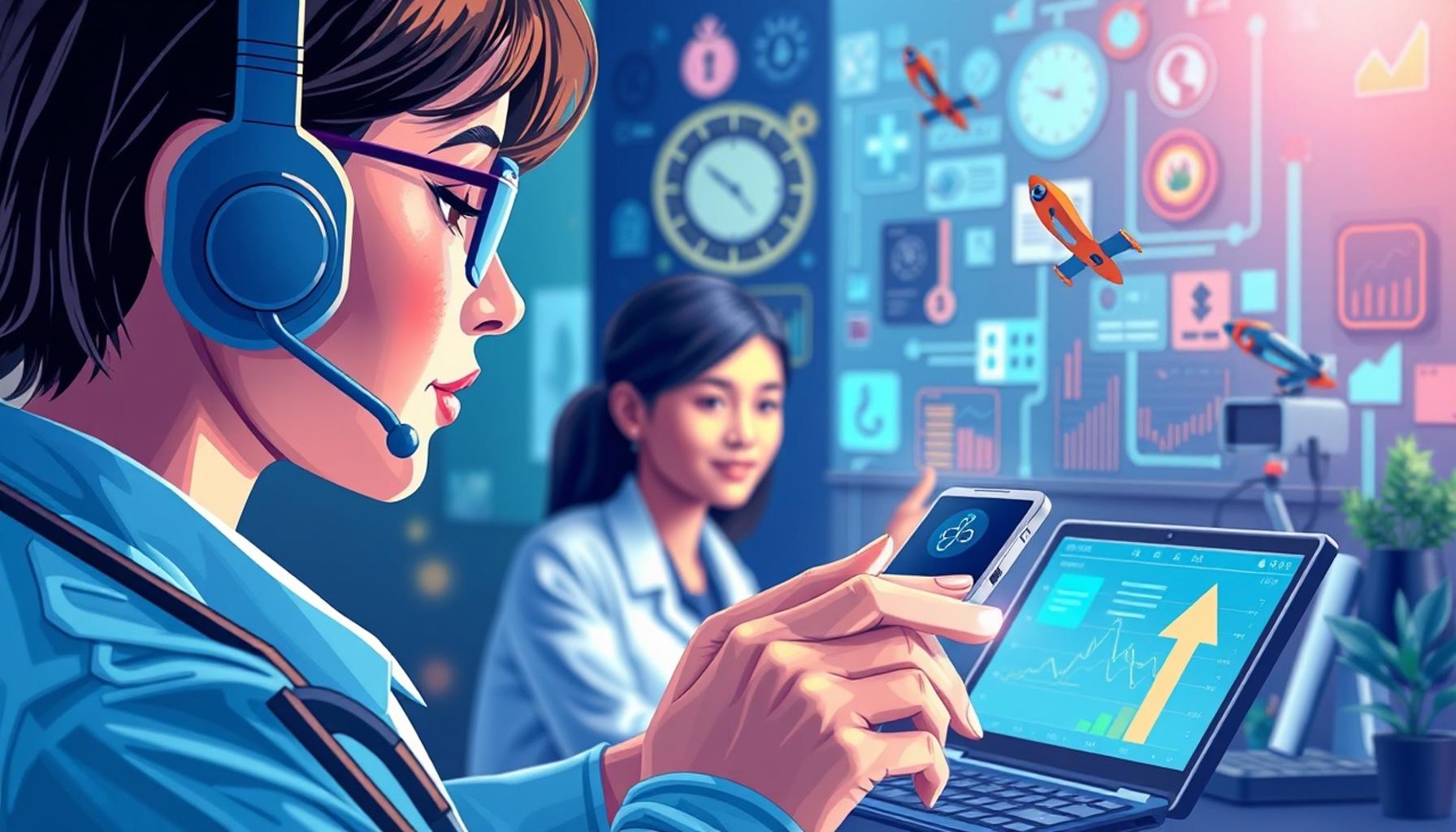
The digital health landscape is evolving at an unprecedented pace, driven by innovative technologies that focus on delivering quality patient care. Among these innovations, two pivotal components stand out: telemedicine and remote monitoring. Together, they are not just reshaping patient-provider interactions but also revolutionizing the entire healthcare ecosystem.
Telemedicine: The Virtual Consultation Revolution
Telemedicine refers to the use of telecommunications technology to provide healthcare services remotely. This can include video consultations, phone calls, or even online messaging between healthcare providers and patients. An excellent example of telemedicine is how patients can consult their doctors via video calls for non-emergency health issues, such as follow-up visits, prescriptions, or management of chronic conditions like diabetes or hypertension. This capability significantly reduces travel burdens, particularly for elderly patients or those living in rural areas far from healthcare facilities.
Moreover, telemedicine plays a crucial role during emergencies, such as during the COVID-19 pandemic when in-person visits posed health risks. Many healthcare providers swiftly transitioned to virtual platforms to ensure that patients could still receive necessary care. This trend has fundamentally shifted perceptions of how healthcare can be accessed, making it more adaptable to patient needs.
Remote Monitoring: Continuous Care at Your Fingertips
Meanwhile, remote monitoring utilizes wearable devices, such as fitness trackers and smartwatches, to continuously monitor and collect health data. These devices can track various metrics, including heart rate, sleep patterns, and physical activity levels. For instance, patients with chronic conditions can wear devices that automatically send real-time data to their healthcare providers, allowing for immediate adjustments to treatment plans based on the data received.
This proactive approach enables healthcare professionals to identify potential issues before they escalate. For example, if a patient’s heart rate spikes or falls below a certain threshold, healthcare providers can intervene promptly, potentially saving lives. Furthermore, the integration of remote monitoring with telemedicine can lead to quite effective healthcare delivery. Imagine a patient receiving a daily report of their blood glucose levels through a smart device and discussing these findings with their doctor during a weekly telemedicine appointment.
Benefits of Digital Health Innovations
The combination of telemedicine and remote monitoring presents numerous advantages:
- Increased Accessibility: Patients can receive care from the comfort of their homes, reducing the need to travel long distances, especially for follow-up visits.
- Cost Efficiency: With fewer in-person consultations required, healthcare costs can be significantly lowered, benefiting both patients and healthcare systems.
- Real-Time Data: Continuous health tracking offers healthcare providers critical insights into patient well-being, allowing for more personalized treatment plans.
As we move forward, the integration of telemedicine and remote monitoring will likely become even more seamless, paving the way for an era of healthcare that emphasizes not only treatment but also proactive health management. This paradigm shift is about empowering patients, providing them with tools that allow them to take charge of their health while ensuring they have access to the quality healthcare they deserve.
In this article, we will delve deeper into the latest innovations shaping digital health and their implications for the future of patient care, ensuring you are well-informed about how these advancements can benefit you and the healthcare system as a whole.
LEARN MORE: Click here for essential tips
The Impact of Telemedicine on Patient Engagement
One of the most profound effects of telemedicine is its ability to enhance patient engagement. With the convenience of virtual consultations, patients are more likely to take an active role in their healthcare. The ease of scheduling appointments, coupled with the ability to connect with healthcare providers from their own homes, has led to increased attendance at follow-up visits and greater participation in health management discussions. For example, patients can share their symptoms through secure messaging platforms before a video consultation, allowing doctors to prepare thoroughly and tailor their advice accordingly.
This transformation is particularly crucial for managing chronic diseases, such as asthma or heart disease. Patients can discuss their symptoms or medication side effects with their providers in real-time, leading to quicker changes in treatment if necessary. This immediacy fosters a collaborative relationship between patients and healthcare professionals, empowering individuals to take ownership of their health outcomes.
Overcoming Barriers to Care
Telemedicine also addresses several barriers that have traditionally prevented individuals from accessing healthcare. Geographic location can be a significant impediment, especially for those in rural areas where specialty providers may be scarce. By utilizing telemedicine, patients can connect with specialists regardless of their location, thus bridging the gap between patients and necessary medical expertise.
Additionally, telemedicine minimizes time constraints and long wait times often associated with in-person visits. Busy individuals, including working parents or caregivers, can easily schedule consultations around their commitments. This flexibility reduces missed appointments and encourages consistent healthcare engagement, which is vital for effective management of health conditions.
Technological Advancements Driving Change
Driven by the rapid advancements in technology, telemedicine is also becoming more sophisticated. Artificial intelligence (AI) and machine learning algorithms are increasingly being integrated into telehealth platforms, enhancing the diagnostic and treatment capabilities of healthcare providers. For instance, AI algorithms can analyze patient data to identify trends that may indicate worsening health conditions, prompting earlier interventions.
Moreover, developments such as augmented reality (AR) and virtual reality (VR) are beginning to find their way into telemedicine. These technologies can enable immersive consultations and training sessions, enhancing how healthcare professionals instruct patients or conduct evaluations remotely. For example, a therapist might use VR to guide a patient through rehabilitation exercises visually, while observing their form and offering real-time feedback.
As we look ahead, the alignment of telemedicine with remote monitoring technologies will continue to evolve, creating a more integrated system that supports comprehensive care management. Patients will be able to receive guidance not only from their primary care physicians but also from specialists tracking their conditions through monitoring tools. By harnessing data collected through wearable devices, healthcare teams can analyze trends over time and adjust treatment plans with unparalleled precision.
In this exciting era of digital health, the vision for healthcare is clear: it is moving towards a model that prioritizes accessibility, efficiency, and personalization. As telemedicine and remote monitoring continue to advance, patients can look forward to a healthcare landscape that is more connected and responsive to their needs than ever before.
DISCOVER MORE: Click here to dive deeper
Expanding Reach: Accessibility and Inclusivity in Telemedicine
As telemedicine continues to evolve, its role in promoting accessibility and inclusivity in healthcare becomes increasingly significant. One of the primary challenges of healthcare delivery has been to ensure that all populations, particularly underserved groups, have access to necessary medical services. Telemedicine is making considerable strides in addressing these disparities.
For instance, low-income households often face barriers such as transportation issues and inability to take time away from work for medical appointments. By enabling virtual visits, telemedicine allows these individuals to receive the care they need without incurring additional costs related to travel or time off. Programs such as Medicaid and Medicare are beginning to embrace telehealth solutions, ensuring that vulnerable populations can participate in healthcare despite obstacles.
Moreover, telemedicine platforms are enhancing inclusivity by offering services in multiple languages and incorporating cultural sensitivity into their practice. These features are crucial for ensuring that patients from diverse backgrounds can communicate effectively with providers. For example, interpreters can be accessed during virtual visits, breaking down language barriers and fostering understanding between healthcare professionals and patients.
Data Security and Patient Privacy
While the benefits of telemedicine are numerous, concerns regarding data security and patient privacy are paramount. With the increase in digital consultations and data sharing, protecting sensitive health information has never been more crucial. Regulatory measures such as the Health Insurance Portability and Accountability Act (HIPAA) have been established to safeguard patient data. Healthcare organizations must ensure that their telemedicine platforms comply with these regulations to maintain patient trust while delivering remote services.
Healthcare providers are also encouraged to utilize secure communication channels for consultations and patient interactions. For instance, employing encrypted messaging services can protect patient information from unauthorized access while still allowing efficient communication. As technology advances, the adoption of blockchain technology is being explored as a potential solution for enhancing data security within telehealth systems.
Integrating Mental Health Services
The importance of mental health in overall well-being has gained significant recognition in recent years. Telemedicine has transformed access to mental health services by providing patients with greater options for support, particularly during the ongoing mental health crisis exacerbated by the pandemic. Online platforms now offer therapy sessions, counseling services, and support groups, allowing individuals to receive care from the comfort of their homes.
This accessibility is crucial, as many individuals are hesitant to seek in-person treatment due to stigma or logistical challenges. Teletherapy services can help address these issues by providing an anonymous and less intimidating route to seeking help. Additionally, integration with remote monitoring tools, such as smartphone-based mood tracking applications, allows therapists to stay informed about their patients’ mental states, facilitating timely interventions.
The rise of behavioral telehealth also includes the utilization of mobile health applications designed to help individuals manage mental health challenges daily. These applications often provide cognitive-behavioral therapy exercises, mindfulness practices, and community support features, further promoting a proactive approach to mental health care.
As telemedicine continues to encompass various facets of healthcare, including mental health, it stands to redefine how society engages with health management and support. The integration of these services showcases the potential for a comprehensive, patient-centered healthcare system that is both inclusive and multifaceted.
LEARN MORE: Click here to dive deeper
Conclusion
In summary, the future of telemedicine and remote monitoring is a promising landscape that holds the potential to transform healthcare delivery significantly. With advancements in technology, telemedicine offers increased accessibility and inclusivity, ensuring that healthcare services reach underserved populations who face barriers to traditional healthcare access. By addressing transportation, time constraints, and language barriers, telemedicine fosters a more equitable system where everyone has the right to quality care.
Furthermore, as healthcare becomes increasingly digital, the importance of data security and patient privacy cannot be overlooked. The adoption of regulatory measures and encrypted communication tools is essential in maintaining patient trust while benefiting from virtual care solutions. It is crucial that telemedicine providers stay vigilant in their efforts to protect sensitive information.
Additionally, the integration of mental health services within telemedicine is pivotal in promoting overall well-being. Providing accessible mental health support via teletherapy has proven beneficial, particularly during challenging times marked by the pandemic. By leveraging mobile health applications and remote monitoring tools, mental health care is becoming more proactive and tailored to individual needs.
As we look towards the future, embracing the innovations in digital health will not only enhance individual patient experiences but will also contribute to a comprehensive, patient-centered healthcare system. Ultimately, the evolution of telemedicine represents a crucial step towards a more interconnected and efficient healthcare approach for all Americans, ensuring that quality care is truly within reach for everyone.

Linda Carter
Linda Carter is a writer and expert known for producing clear, engaging, and easy-to-understand content. With solid experience guiding people in achieving their goals, she shares valuable insights and practical guidance. Her mission is to support readers in making informed choices and achieving significant progress.